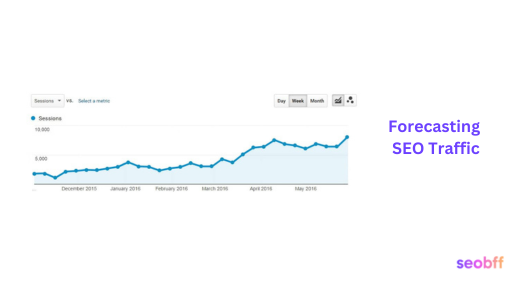
Forecasting SEO Traffic
- Forecasting SEO traffic helps set realistic SEO goals and measure potential growth effectively.
- SEO traffic forecasting tools and charts provide accurate data for predicting organic traffic.
- Using historical data and keyword-based forecasting improves SEO predictions and future SEO potential.
- Accurate traffic forecasting for SEO ensures better ROI, planning, and business growth.
What is SEO Forecasting and Why It Matters
1.1 Understanding SEO Traffic Forecasting Basics
At its core, SEO forecasting is the process of predicting the future organic performance of a website. Using historical data, keyword rankings, CTR, and search trends, marketers can estimate how much organic traffic a site may attract in the coming months. In simple terms, whenever you perform keyword research, you are already attempting forecasting organic traffic in SEO, because you’re projecting the traffic potential of specific keywords.
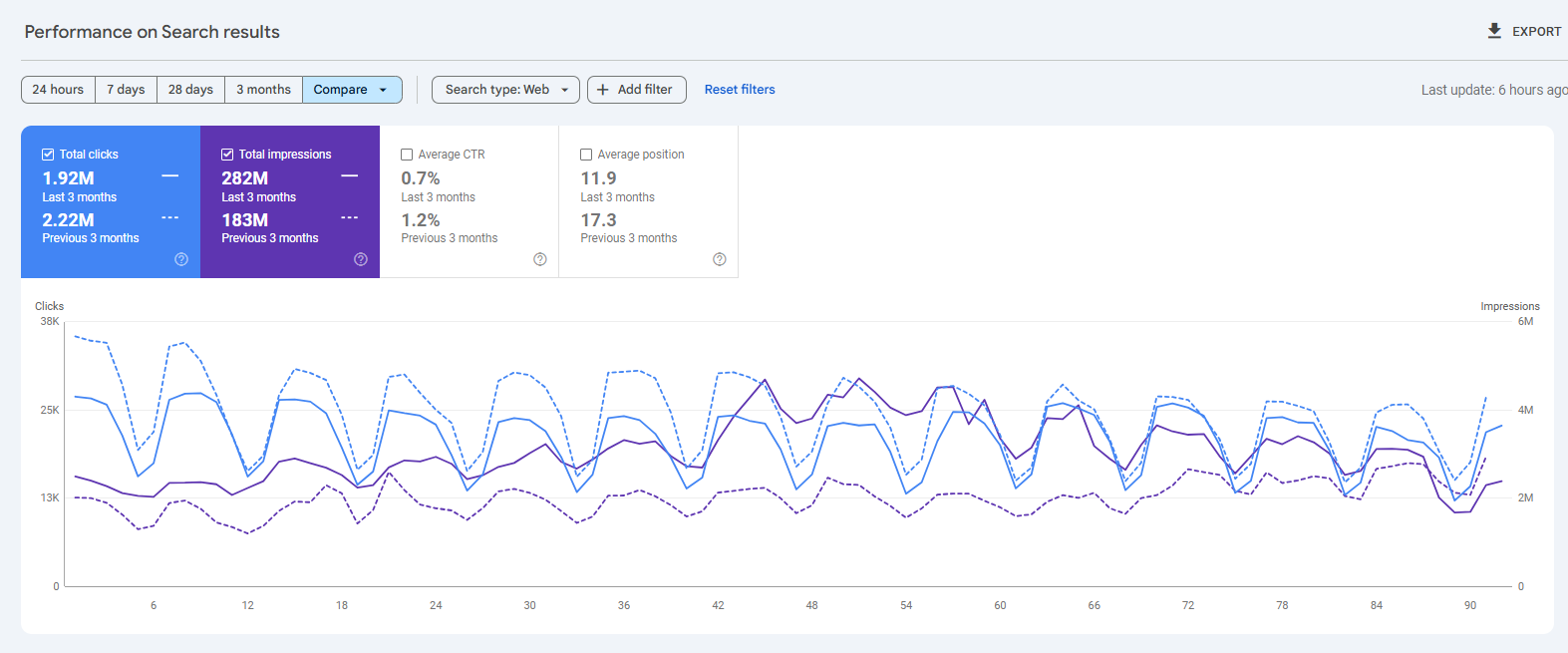
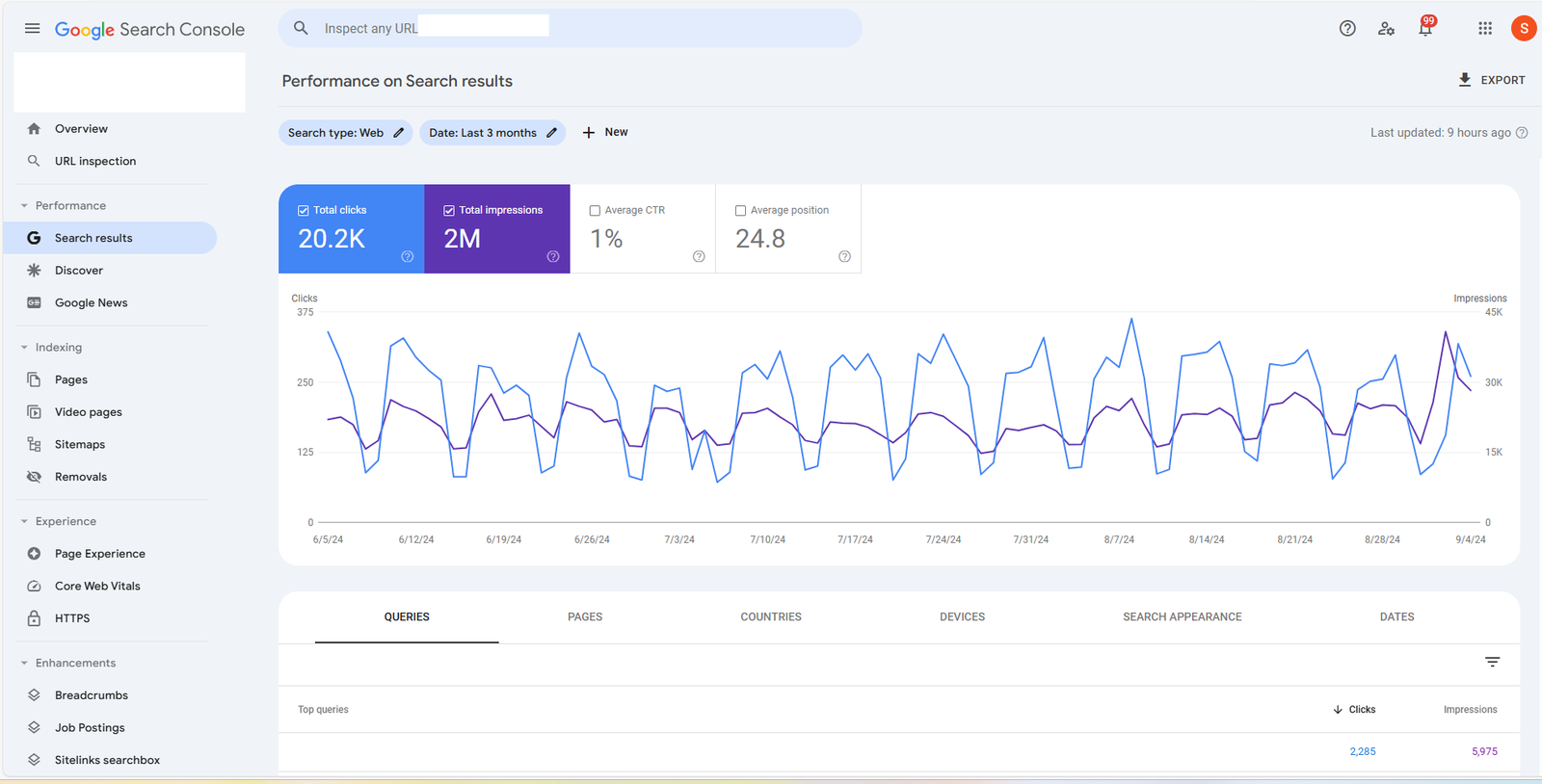
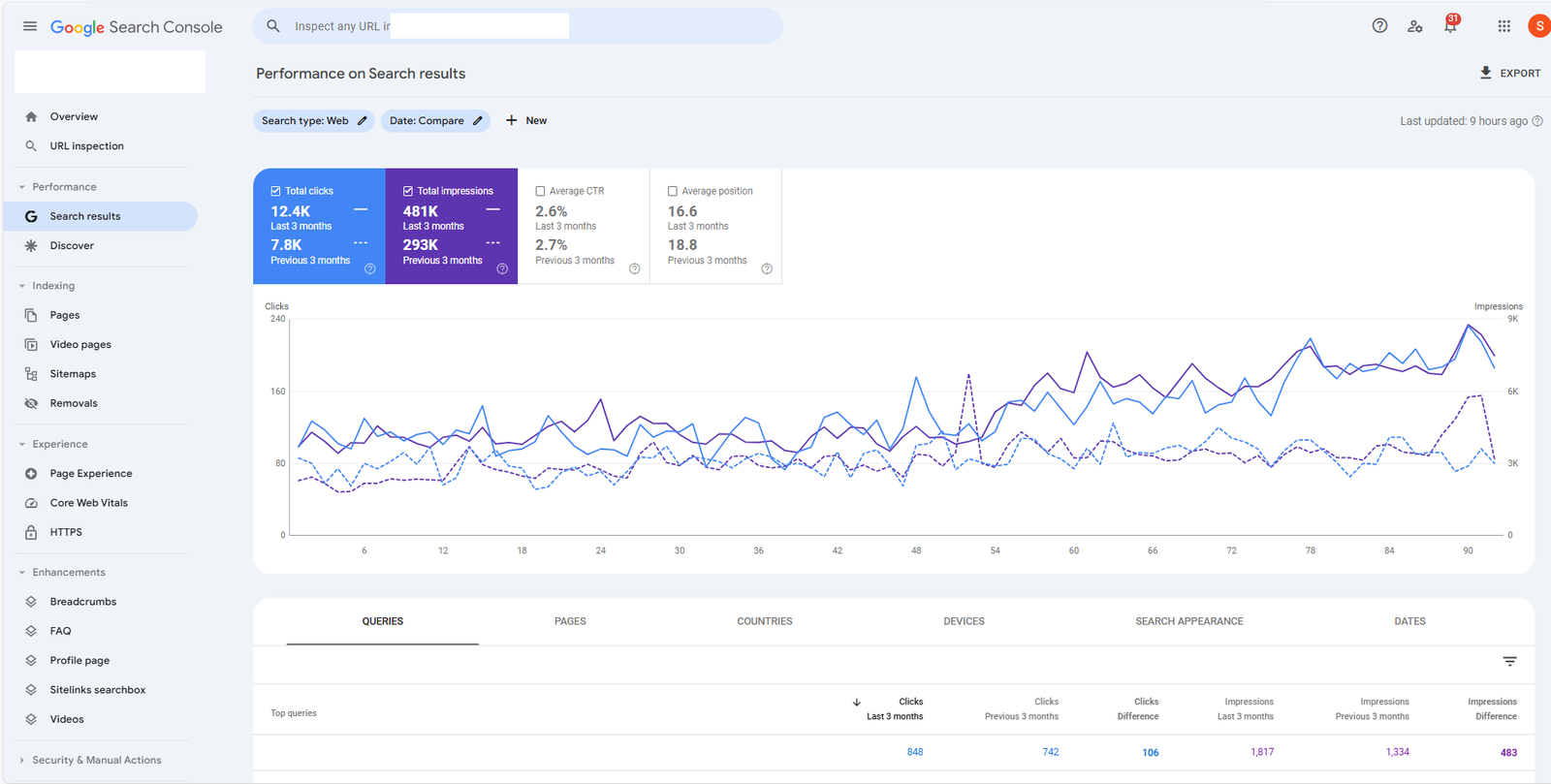
An effective SEO traffic forecasting chart combines multiple data sources—such as Google Analytics, Google Search Console, and third-party SEO tools—to give businesses a clearer picture of future growth. By forecasting traffic, you not only anticipate visitors but also predict potential conversions and ROI, helping you align SEO with business goals.
1.2 How Forecasting Organic Traffic Helps SEO Planning
Forecasting SEO traffic is more than just number crunching; it’s a roadmap for your digital strategy. By analyzing past rankings and traffic patterns, businesses can identify which keywords and pages will continue to perform and where new opportunities may exist. This helps in planning content creation, link building, and technical improvements with precision.
For example, an e-commerce store in New York can use traffic forecasting for SEO to estimate the surge in searches for “Black Friday deals” and plan campaigns months in advance. Similarly, a local dental practice in Florida may forecast organic traffic for “teeth whitening near me” to understand seasonal demand.

Strategic SEO forecasting also lets you estimate how many new blog posts, landing pages, or backlinks you’ll need each month to reach realistic growth targets. With accurate projections, SEO stops being guesswork and becomes data-driven planning.
1.3 SEO Forecast vs. SEO Projections – What’s the Difference?
While the terms are often used interchangeably, there’s a subtle difference between an SEO forecast and SEO projections:
- SEO Forecast → A near-accurate prediction of future traffic based on historical performance, keyword trends, and search demand.
- SEO Projections → A broader estimate of possible SEO outcomes, often used for long-term strategy and SEO predictions.
For instance, a California-based SaaS company might create an SEO forecast for the next six months based on past user growth, while also preparing SEO projections for two years ahead by factoring in new product launches and market penetration.
Both approaches matter: forecasting SEO traffic gives you realistic short-term goals, while projections guide your long-term SEO growth strategy.
Key Benefits of Forecasting SEO Traffic Growth
1. Helps Set Realistic SEO Goals
- Forecasting SEO traffic allows businesses to set achievable targets instead of unrealistic expectations.
- Using a SEO traffic forecasting tool provides data-driven insights from past rankings and traffic.
- Example: A Chicago e-commerce store can forecast a 20% holiday traffic spike for “Christmas gift deals in Chicago.”
- This approach makes forecasting organic traffic in SEO essential for building long-term success.
2. Provides SEO Predictions for ROI & Investments
- SEO forecasting delivers accurate SEO predictions for conversions, leads, and revenue.
- Businesses can calculate ROI before committing marketing budgets.
- Example: A California SaaS company can forecast ROI for “project management software” keywords based on search volume and CTR.
- By forecasting SEO traffic growth, brands invest in strategies with the highest potential returns.
3. Improves Content Strategy & Link Building Efforts
- SEO traffic forecasting reveals which keywords will drive the most organic visits.
- Marketers can plan future content and link-building campaigns around these insights.
- Example: A New York travel blog can forecast seasonal growth for “best summer destinations USA” and publish content in advance.
- A Florida law firm could use a SEO traffic forecasting chart to estimate the number of backlinks required to outrank competitors.
4. Offers a Competitive Advantage in SEO
- Accurate SEO forecasts help businesses identify overlooked keywords competitors are missing.
- Capturing untapped opportunities strengthens organic visibility.
- Example: A Texas HVAC company forecasts SEO potential for “air conditioning repair in Dallas” and finds gaps competitors ignored.
- This data-backed forecast SEO potential builds a lasting competitive edge.
5. Enables Ongoing SEO Performance Measurement
- Comparing actual traffic with SEO projections helps refine SEO campaigns.
- Forecasts act as benchmarks to measure success and adjust strategies.
- Example: A Florida dental clinic may forecast 500 visits for “cosmetic dentistry near me” and compare results against real traffic.
- Regular traffic forecasting for SEO ensures consistent performance improvements over time.
Challenges in Accurate SEO Forecasting
| Challenge | Explanation | Real-Life Example (US Context) |
| Algorithm Complexity & Ranking Fluctuations | Google’s frequent updates make rankings unstable, reducing forecast accuracy even with the best SEO tools. | Many US eCommerce stores saw sudden traffic drops after Google’s March 2024 core update. |
| Data Variability Across SEO Analytics Tools | Different SEO analytics tools provide varying traffic forecasts, leading to inconsistent predictions. | A New York agency found Semrush, Ahrefs, and GSC forecasts varied by 30% for the same client. |
| Competitive Landscape in Organic Rankings | Competitors constantly optimize, making predictions unreliable when new players disrupt the market. | A small Texas furniture retailer lost forecasted growth when a national chain boosted SEO efforts. |
| User Behavior and Seasonal Trends | Search demand shifts with consumer behavior, events, and seasonal spikes. | Searches for “Black Friday furniture deals” surge in the US every November, skewing forecasts. |
| External Factors Impacting Traffic Forecasting | Economic changes, pandemics, and global events can alter search demand unpredictably. | California restaurants saw SEO forecasts collapse during lockdowns due to reduced dine-in searches. |
How to Forecast SEO Traffic Effectively
4.1 Forecasting Organic Traffic with Historical Data (Step-by-Step)
- Define your time window
- Pick 12–24 months to reduce noise and make forecasting SEO traffic more reliable.
- This helps you forecast SEO potential with clearer seasonality.
- Pick 12–24 months to reduce noise and make forecasting SEO traffic more reliable.
- Collect past traffic & impressions
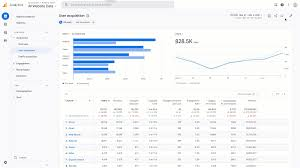
- From Google Analytics (sessions, users, conversions) and Google Search Console (impressions, clicks, average position).
- Export CSV for the same date ranges to standardize SEO forecasting inputs.
- From Google Analytics (sessions, users, conversions) and Google Search Console (impressions, clicks, average position).
- Normalize your dataset
- Align date columns, remove outliers (e.g., tracking errors), and fill small gaps with linear interpolation.
- This improves accuracy when forecasting organic traffic in SEO.
- Align date columns, remove outliers (e.g., tracking errors), and fill small gaps with linear interpolation.
- Prepare an SEO traffic forecasting chart
- In Excel/Google Sheets: plot monthly organic sessions and impressions on a line chart.
- Add a 3-month or 6-month moving average to smooth volatility in SEO predictions.
- In Excel/Google Sheets: plot monthly organic sessions and impressions on a line chart.
- Calculate average growth rate
- Compute MoM and YoY growth; record the average and the range (min–max).
- Optional: calculate CAGR for a longer horizon to steady your SEO projections.
- Compute MoM and YoY growth; record the average and the range (min–max).
- Segment by page type & topic
- Split branded vs non-branded, blog vs product, etc.
- Segmentation sharpens traffic forecasting for SEO at a tactical level.
- Split branded vs non-branded, blog vs product, etc.
- Adjust for seasonality
- Add monthly seasonality factors (e.g., Jan = 0.9, Nov = 1.2) based on historical deltas.
- Seasonality prevents over/under-stating SEO forecast numbers.
- Add monthly seasonality factors (e.g., Jan = 0.9, Nov = 1.2) based on historical deltas.
- Build the baseline forecast
- Formula (Sheets/Excel): Next Month = Last Month × (1 + Avg MoM Growth) × Seasonality Factor.
- Extend 3–6 months to forecast SEO growth realistically.
- Formula (Sheets/Excel): Next Month = Last Month × (1 + Avg MoM Growth) × Seasonality Factor.
- Layer conversion expectations
- Apply historical conversion rate (CVR) to forecasted visits for revenue/leads.
- This connects SEO forcasting (sic) to business outcomes.
- Apply historical conversion rate (CVR) to forecasted visits for revenue/leads.
- Create scenarios (best/likely/worst)
- Best: use higher bound of growth; Worst: lower bound; Likely: average.
- Scenario planning gives resilient SEO projections.
- Validate & iterate monthly
- Compare forecast vs actual; record variance and causes (algorithm shifts, content launches).
- Continuous tuning is a core tip for forecasting SEO traffic growth.
4.2 Keyword-Based SEO Forecasting (Step-by-Step)
- Define target pages & goals
- Map priority URLs to themes and decide if the goal is traffic, leads, or revenue.
- Clear objectives guide how to forecast SEO traffic per asset.
- Map priority URLs to themes and decide if the goal is traffic, leads, or revenue.
- Identify keyword volumes & current rankings
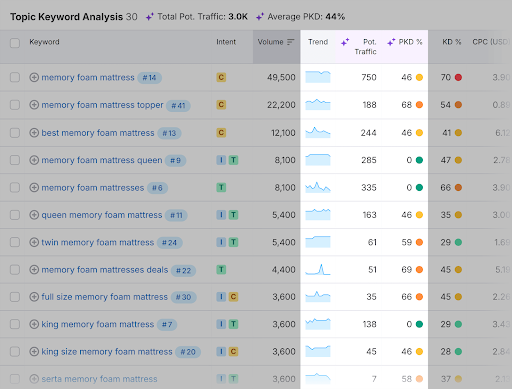
- Pull monthly search volume, current position, and SERP features for your target terms.
- This is foundational to SEO traffic forecasting using keywords.
- Pull monthly search volume, current position, and SERP features for your target terms.
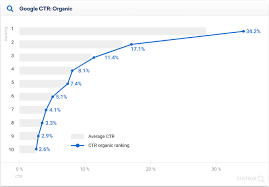
- Choose a CTR curve by position
- Use a standard organic CTR model (avg CTR per rank) or your site’s historical CTR by rank.
- Accurate CTR is vital for forecast SEO potential.
- Use a standard organic CTR model (avg CTR per rank) or your site’s historical CTR by rank.
- Estimate baseline traffic per keyword
- Formula: Baseline Clicks = Search Volume × CTR(at current position).
- Sum across keywords to set the current-state SEO forecast baseline.
- Formula: Baseline Clicks = Search Volume × CTR(at current position).
- Model ranking improvements
- Project realistic position gains (e.g., #12 → #7, #7 → #4) over a timeframe.
- Recalculate Projected Clicks = Volume × CTR(new position) to build SEO predictions.
- Project realistic position gains (e.g., #12 → #7, #7 → #4) over a timeframe.
- Account for cannibalization & overlap
- If multiple URLs target the same query, apply a dampener (e.g., 0.8) so totals aren’t inflated.
- Prevents double-counting in seo traffic forecasting.
- If multiple URLs target the same query, apply a dampener (e.g., 0.8) so totals aren’t inflated.
- Incorporate seasonality & SERP features
- Adjust volumes for seasonal curves; reduce CTR where SERP features (Top Stories, PAA, Ads) dominate.
- This makes forecasting organic traffic more realistic.
- Adjust volumes for seasonal curves; reduce CTR where SERP features (Top Stories, PAA, Ads) dominate.
- Apply conversion metrics
- Multiply projected clicks by page-level CVR and AOV/lead value.
- Connect keyword gains to ROI for SEO projections.
- Multiply projected clicks by page-level CVR and AOV/lead value.
- Build your model in Sheets/Excel
- Columns: Keyword | Volume | Current Pos | Current CTR | Baseline Clicks | Target Pos | Target CTR | Projected Clicks | CVR | Value.
- Add a chart to visualize cumulative seo traffic forecasting chart by month.
- Columns: Keyword | Volume | Current Pos | Current CTR | Baseline Clicks | Target Pos | Target CTR | Projected Clicks | CVR | Value.
- Create scenarios (conservative/expected/aggressive)
- Conservative = smaller rank jumps + lower CTR; Aggressive = larger jumps + higher CTR.
- Scenario ranges keep forecasting SEO traffic grounded.
- Prioritize opportunities
- Sort by highest incremental clicks or value per page.
- This shows how to forecast SEO growth and decide where to invest first.
- Review monthly and recalibrate
- Compare actual rankings/traffic to projections; update CTRs, volumes, and targets.
- Iteration is central to how to forecast organic traffic well.
Using Total Addressable Market (TAM) Analysis to Forecast SEO Potential
1. Estimating SEO Market Size & Reach
- Start by identifying the total search demand for your niche using keyword research tools.
- Add up the search volumes of all relevant keywords to calculate the Total Addressable Market (TAM).
- This gives you an estimate of how many potential visitors exist in your industry if you ranked for everything.
2. Deciding on Market Penetration Goals
- Once you know your TAM, decide what percentage of the market you realistically aim to capture.
- For beginners, a 5–10% penetration goal is a practical starting point.
- Base this on current resources, competition, and your website’s authority.
3. Setting SEO Growth Projections Based on Data
- Multiply your TAM by your target penetration percentage to forecast potential traffic.
- For example, if your TAM is 1,000,000 monthly searches and you target 5%, your forecasted traffic potential = 50,000 visitors.
- Use this number to create SEO growth projections and set achievable goals for the next 6–12 months.
Best SEO Traffic Forecasting Tools to Use
| Tool | Beginner-Friendly Steps |
| Google Analytics & Google Search Console | 1. Connect your site to GA & GSC.2. Track impressions, clicks, CTR, and conversions.3. Use trend data to project future traffic growth. |
| SEMrush SEO Forecasting Tool | 1. Enter your target keywords.2. Review traffic projections, keyword difficulty, and competition.3. Use forecast reports to set SEO goals. |
| Ahrefs Organic Traffic Predictions | 1. Enter your domain/keywords in Ahrefs.2. Check estimated traffic, ranking potential, and content gaps.3. Apply traffic predictions to refine your SEO strategy. |
| SE Ranking Forecast SEO Tool | 1. Add your keyword list.2. Review search volumes, CPC, and estimated traffic growth.3. Compare best-case vs. average scenarios for realistic goals. |
| Free SEO Forecast Templates & Charts | 1. Download templates in Google Sheets/Excel.2. Input keyword volumes, CTRs, and ranking estimates.3. Use charts/graphs to visualize growth path. |
How to Improve SEO Forecasting Accuracy
Track the Right SEO Metrics for Forecasting
- Start by focusing on core SEO metrics such as organic traffic, keyword rankings, click-through rate (CTR), and conversions.
- Avoid relying on vanity metrics like impressions alone, since they don’t always show real business impact.
- Keep monitoring these metrics regularly to spot trends that can improve your forecast accuracy.
Align SEO Forecasts with Business Goals
- Define your business objectives clearly — do you want more sales, leads, or sign-ups?
- Connect your SEO forecasts directly to these goals so they show real ROI potential.
- Focus on keywords and traffic sources that are most likely to drive revenue growth.
Adjust SEO Predictions with Competitor Insights
- Use SEO tools to identify who your main competitors are in search results.
- Study their traffic levels, ranking keywords, and content strategies.
- Adjust your SEO forecasts by factoring in how competitors may affect your market share.
Combine Statistical Models with Keyword Analysis
- Apply simple forecasting models like linear growth or seasonality trends.
- Combine these models with keyword data such as search volumes and CTR estimates.
- Refine your forecasts regularly using updated performance data.
Common Mistakes in SEO Traffic Forecasting
Over-reliance on a Single SEO Forecasting Tool
- Many beginners depend only on one tool for traffic predictions.
- The problem is no tool is 100% accurate — each uses its own data sources.
- Always cross-check results with multiple tools (like Google Analytics, SEMrush, and Ahrefs) for balanced insights.
Ignoring Seasonal Search Trends
- Some forecasts assume traffic will stay constant throughout the year.
- But searches often spike or drop depending on seasons, holidays, or events.
- Adjust your forecasts by looking at past seasonal data in Google Trends or Analytics.
Not Accounting for Algorithm Updates
- Search engines, especially Google, roll out algorithm changes regularly.
- These updates can suddenly boost or drop your site traffic.
- Avoid rigid forecasts — build flexibility and update predictions after major algorithm changes.
Focusing Only on Rankings, Not Conversions
- Beginners often celebrate higher rankings without checking if traffic converts.
- Forecasts based only on keyword rankings can mislead business goals.
- Always include conversions, leads, or revenue impact in your SEO forecasts.
Real-World SEO Traffic Forecasting Examples
SaaS Case Study – Predicting SEO Traffic for a California Tech Startup
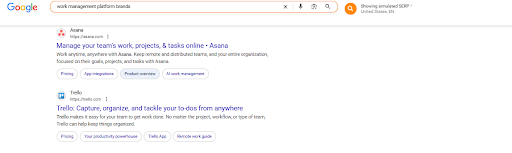
Asana (San Francisco, CA)
Before launching its new workflow features, Asana’s SEO team forecasted traffic growth by analyzing keyword search demand for “project management software” and related terms. Their model predicted a 30–35% traffic increase over six months, which was nearly spot-on after execution. Forecasting gave them clarity to invest more in content clusters around collaboration tools.
E-commerce Example – Forecasting Holiday Growth for a New York Retailer
Macy’s (New York, NY)
Macy’s SEO team projected holiday traffic using historical Black Friday and Cyber Monday search data. They forecasted a 60% surge in organic visits from mid-November to December. The forecast shaped product category prioritization and inventory planning. Actual numbers slightly exceeded the forecast, proving the accuracy of seasonal forecasting.

Local Business Example – Forecasting Traffic for a Florida Dental Practice
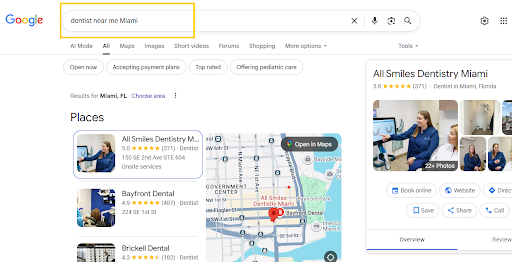
All Smiles Dentistry (Miami, FL)
This dental clinic forecasted growth after implementing local SEO strategies for keywords like “dentist near me Miami.” Their forecast projected a 20–25% increase in appointment-driven visits within 3 months. The actual organic traffic growth aligned closely, validating how local search data can reliably guide staffing and ad spend decisions.
Conclusion – Making Forecast SEO Work for Your Strategy
SEO forecasting is not about guessing—it’s about using data-driven models, historical trends, and predictive tools to estimate how your SEO efforts will impact traffic, conversions, and revenue. From simple keyword-level projections to advanced machine learning models, the right forecasting method depends on your business size, goals, and available data.
Accurate SEO traffic forecasting helps you plan budgets, prioritize content, manage expectations, and secure stakeholder buy-in. It bridges the gap between SEO strategy and measurable business outcomes, making it one of the most powerful tools for sustainable growth.
To forecast SEO traffic effectively:
- Use a mix of SEO forecasting tools (e.g., Ahrefs, Semrush, Google Search Console).
- Factor in seasonality, industry trends, and competitor activity.
- Continuously update and refine your forecasts as new data comes in.
When done right, SEO forecasting doesn’t just predict your future—it helps you shape it strategically, ensuring your efforts are focused on driving long-term growth.
Frequently Asked Questions about SEO Forecasting
How often should businesses update their SEO traffic forecasts?
Updating forecasts quarterly ensures they reflect seasonal trends, algorithm changes, and shifting user demand.
Which industries benefit most from SEO traffic forecasting?
E-commerce, SaaS, healthcare, and local services gain the most from accurate traffic predictions.
Can SEO traffic forecasting improve paid marketing strategies?
Yes, it helps align paid campaigns with organic growth, reducing wasted ad spend and boosting ROI.
What role does historical data play in SEO forecasting?
Historical data provides a baseline to predict keyword trends, seasonal shifts, and long-term SEO growth.
Are free SEO forecasting tools reliable for accurate predictions?
Free tools offer basic insights but lack depth; paid platforms deliver more precise forecasting data.


![Best Enterprise SEO Tools in 2025 [Personally Tested]](https://seobff.ai/wp-content/uploads/2025/10/Enterprise-SEO-Tools-Free-Paid.jpg)

 Anoob PT