International SEO
- International SEO services improve visibility for multilingual and multi-regional global websites.
- A robust international SEO strategy starts with geo-targeting, hreflang, and keyword research.
- Use international SEO best practices like local content, hreflang, and optimized URL structures.
- Hiring a top international SEO company helps execute complex audits and multilingual strategies.
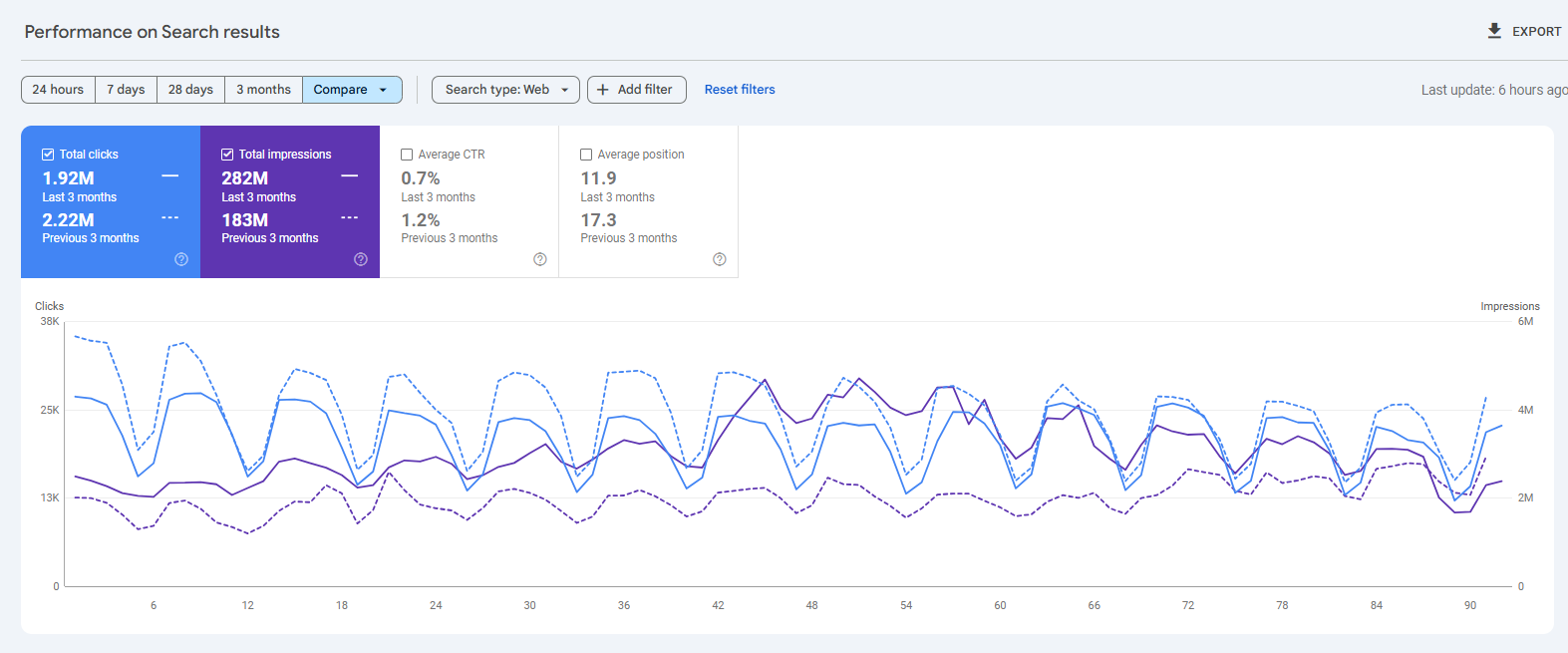
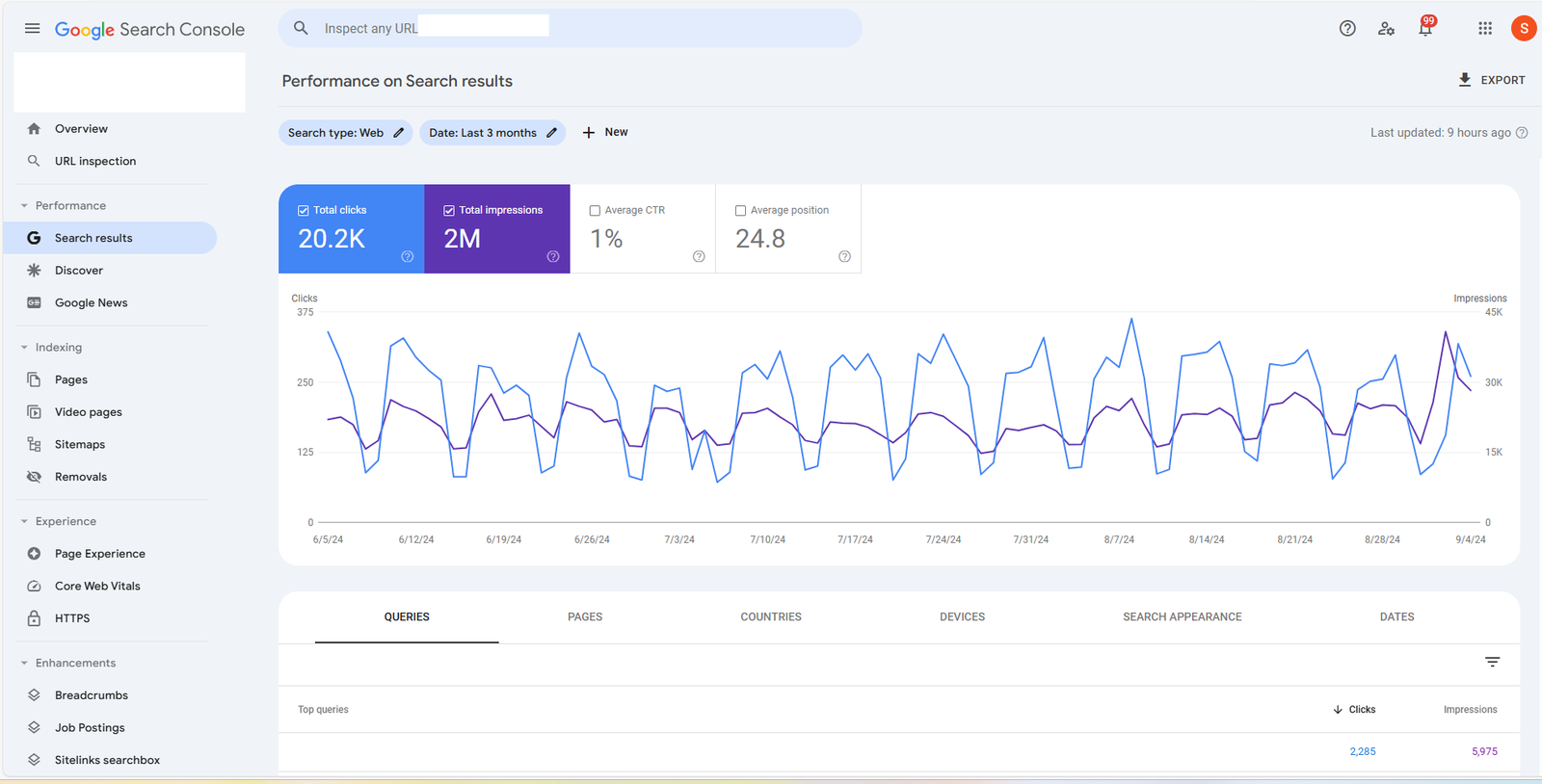
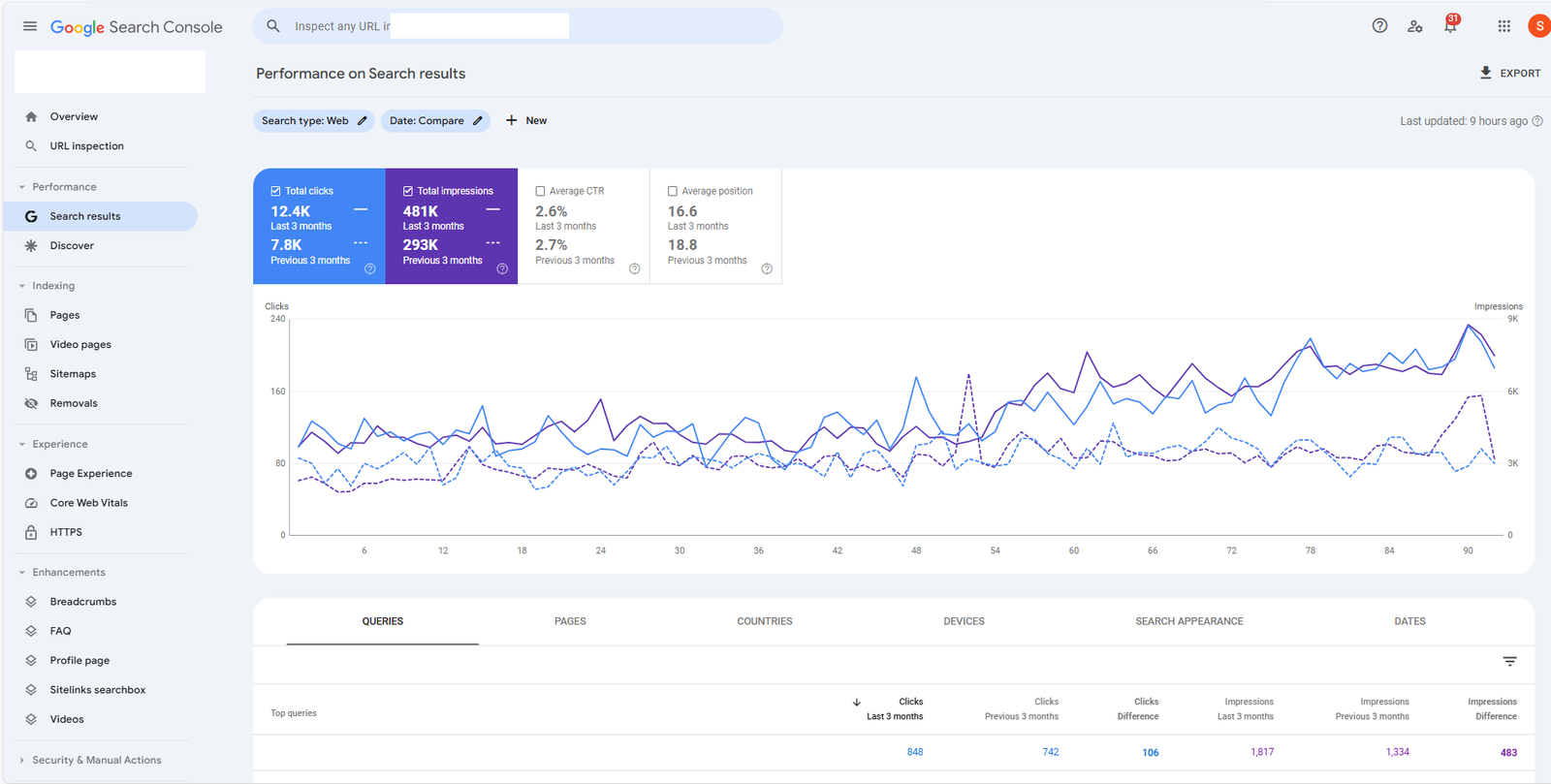
As I have worked with several global SaaS brands, I have had to work on international SEO to scale up traffic and customer acquisition from countries other than Tier 1 countries. International SEO is not the same as regular SEO as it requires a certain diverse set of strategies and technical implementation to rank in respective countries.
1. What Is International SEO ?
International SEO refers to the process of optimizing your website so that search engines can easily identify which countries and languages you’re targeting. This involves adapting your content, metadata, hreflang tags, URL structures, and technical SEO elements to appeal to users in different regions.
Think of it as a strategy that helps search engines serve the most relevant version of your site to users based on their geographic location or preferred language.
Key elements of international SEO include:
- Geo-targeting via domains or subdirectories
- Language targeting through hreflang attributes
- Content localization (not just translation)
- Technical configurations for international performance
Understanding what is international SEO is the first step in building a successful global online presence. It enables businesses to reach international markets and increase visibility in non-domestic search engines like Google international versions, Baidu, or Yandex.
1.1 Why Is International SEO Important for Global Businesses?
For companies expanding beyond their home country, international SEO is essential for connecting with a multilingual or multi-regional audience. Here’s why international SEO is important for global growth:
Top reasons international SEO matters:
- Captures international search traffic and boosts visibility in foreign markets
- Helps adapt your content to cultural and language preferences
- Builds authority in SEO international markets with targeted keywords
- Improves user experience by delivering region-specific versions of your site
For example, a U.S.-based fashion brand wanting to sell in France, India, and Japan needs a tailored SEO approach for each market. Without international SEO services, your site may serve the wrong version of a page or rank poorly on local search engines.
The benefits of international SEO extend to higher conversions, stronger brand trust, and long-term competitive advantage.
1.2 International SEO vs Local SEO vs Multilingual SEO
Let’s break down the difference between international SEO, local SEO, and multilingual SEO:
| Type | Focus | Strategy |
| International SEO | Targets users in multiple countries | Uses geo-targeting, language tags, regional content |
| Local SEO | Targets users in specific local areas (e.g., a city) | Focus on Google Business Profile, local listings |
| Multilingual SEO | Targets multiple language speakers, regardless of location | Content translated into multiple languages |
While SEO international strategies may include multilingual SEO, they also go beyond that, taking into account local search engines, region-specific trends, and international marketing and SEO company tactics.
Knowing these differences helps in aligning the right strategy with your target international market.
2. Do You Need an International SEO Strategy?
2.1 6 Signs You Need International SEO Services
Not every business needs a global SEO plan, but if any of these apply to your brand, it’s time to invest in a dedicated international SEO strategy:
- Your website receives traffic from multiple countries not actively targeted.
- Your brand operates in more than one country or region with separate marketing teams.
- You offer multilingual support or product options on your site.
- Your sales team serves international clients but your content isn’t localized.
- You’re competing with international players on search engine results pages (SERPs).
- You have plans to expand globally within the next 12–24 months.
If these sound familiar, you need to explore international SEO services to stay competitive in cross-border digital markets.
2.2 How to Identify Target Markets for International SEO
An effective international SEO strategy starts with choosing the right countries and languages to target. Here’s how to do it:
- Analyze your current traffic data (via Google Analytics) to find users by country or language.
- Evaluate conversion rates by region—are users from certain countries already engaging more?
- Research demand using keyword tools to see search volume in specific international markets.
- Study competitor strategies—which regions are they dominating, and where is there opportunity?
- Match business goals with SEO data—e.g., if your sales team is growing in Canada, optimize your site for Canadian users.
This helps you build a focused international marketing and SEO company approach tailored to profitable regions.
2.3 5 Key Benefits of International SEO for Global Companies
Implementing an effective international SEO strategy offers clear long-term advantages. Here are the top 5 benefits of international SEO for businesses targeting global audiences:
- Boosts organic traffic from global markets, reducing reliance on paid advertising.
- Improves user experience by showing the right language or regional version of a page.
- Builds local trust and authority through regional SEO signals.
- Supports business expansion goals with scalable, automated SEO workflows.
- Gives your brand a competitive edge in international SERPs, especially when supported by a strong international marketing and SEO company.
The biggest challenge? Knowing how to manage SEO for multilingual or international websites without duplicating efforts or hurting rankings. That’s where structured strategy and expert support come in.
3. How to Do International SEO: A Step-by-Step Guide
3.1 How Does International SEO Work?
Understanding how international SEO works is essential before execution. At its core, international SEO involves optimizing your website so search engines can serve the right content to users based on their location or language preferences.
Here’s how to do international SEO in practice:
- Language targeting using hreflang tags.
- Geographic targeting with subdirectories, subdomains, or country-code TLDs (ccTLDs).
- Localized keyword research to match regional intent.
- Content translation and cultural adaptation.
- Technical SEO setup for multi-regional crawling and indexing.
Ultimately, international SEO works by aligning your site’s structure, content, and metadata with region-specific search engine behaviors.
3.2 How to Implement International SEO on Your Website
When asking how to implement international SEO, it’s crucial to break the process into manageable tasks. Follow this practical implementation plan:
- Choose your target regions and languages based on traffic and market research.
- Decide your URL structure – use ccTLDs (example.fr), subdomains (fr.example.com), or subdirectories (example.com/fr).
- Add hreflang tags to signal language-region combinations.
- Translate and localize content, not just word-for-word—adapt to culture and local search intent.
- Create region-specific sitemaps and submit to Google Search Console.
- Ensure mobile optimization and fast-loading pages in all regions.
- Use international-friendly hosting (CDNs) to reduce latency in global areas.
- Monitor technical SEO across all regional versions for crawlability and indexation.
This checklist is essential for how to implement international SEO correctly across multilingual or multi-regional websites.
3.3 How to Develop Your International SEO Strategy
Developing an effective international SEO strategy requires a blend of technical planning, content localization, and continuous optimization. Here’s how to do that successfully:
- Audit your current traffic and performance – which countries are showing organic demand?
- Research international competitors and assess gaps in your global visibility.
- Define clear SEO goals for each region—traffic, leads, or brand visibility.
- Build a keyword strategy per language and market, using regional tools.
- Define the site structure and URL formats for each target region.
- Develop locally optimized content supported by regional link building.
- Ensure your technical SEO foundation is scalable, including hreflang, mobile-friendliness, and page speed.
- Set up analytics and international SEO tracking to measure performance over time.
A strong international SEO strategy is not a one-size-fits-all blueprint—it’s a customized roadmap aligned with your business goals and geographic priorities.
4. Choosing the Right Site Structure for International SEO
4.1 Best Practices for Domain and URL Structure
Selecting the right URL structure is a critical step in international targeting SEO. It helps search engines understand which version of your site to show to users based on country or language. Here are the best practices for choosing a domain name for international SEO:
- Keep it short and clear – use relevant keywords for each market.
- Avoid auto-redirects based on IP – instead, use hreflang tags and clear navigation.
- Use a consistent structure for all regional variations.
- Include language or country codes in URLs for better clarity (e.g., /en/ or /uk/).
- Use hyphens to separate words—Google reads these more accurately than underscores.
Whether you’re a startup or an enterprise, your domain and URL format should be easy to manage, scalable, and optimized for international SEO performance.
4.2 Subdomains vs Subdirectories vs ccTLDs: What Should You Use?
One of the biggest challenges in international SEO is deciding how to organize your site structure. Should you use subdomains, subdirectories, or country-code top-level domains (ccTLDs)?
Here’s a comparison to guide your decision:
| Structure | Example | Pros | Cons |
| ccTLD | example.de | Strong geo-targeting signal; local trust | Costly; requires separate SEO efforts |
| Subdomain | de.example.com | Easy to manage content; separates regions | Weaker geo signal than ccTLD |
| Subdirectory | example.com/de/ | Consolidates SEO authority; easier tracking | Less localized trust in some markets |
For most growing brands, subdirectories are the most efficient balance of SEO scalability and simplicity. However, ccTLDs are ideal when local trust and compliance are critical.
Choosing the right structure depends on your budget, resources, and how broad your international targeting SEO efforts are.
4.3 Sitemap for International Websites SEO: What to Consider
Creating a proper sitemap for international websites SEO is essential for ensuring search engines index all language and country versions of your site.
Key considerations:
- Create separate sitemaps for each regional or language version.
- Include hreflang annotations within your XML sitemap.
- Submit each sitemap to Google Search Console for the relevant property.
- Keep sitemaps clean—no broken links or redirects.
- If you’re using ccTLDs, ensure the sitemaps are placed under each domain.
Google uses your sitemap to better understand how your site is structured globally. For efficient international SEO crawling and indexing, a well-organized sitemap is non-negotiable.
5. Keyword Research for International SEO Success
Understanding local search behavior is at the core of successful international SEO keyword research. You can’t simply translate your English keywords and expect the same results globally—each region has its own search habits, language nuances, and cultural intent.
5.1 How to Conduct Keyword Research for International SEO
So, how can you conduct keyword research for international SEO effectively? Here’s a step-by-step guide:
- Identify your target markets and languages first.
- Avoid direct translations—use native speakers or local consultants to find real search terms.
- Analyze competitors in each market to see which terms drive traffic for them.
- Map keywords to user intent—what might be “cheap flights” in the US could be “low-cost airlines” elsewhere.
- Use tools like Google Keyword Planner or local search engines to validate regional data.
For SEO international websites, this research ensures you’re ranking for what people actually search—not just literal translations of English terms.
5.2 Tools for International SEO Keyword Research (Ahrefs vs SEMrush)
Choosing the best SEO tool for international SEO depends on your goals, budget, and markets. Here’s a quick comparison of Ahrefs vs SEMrush for global keyword research:
| Feature | Ahrefs | SEMrush |
| Keyword databases | Strong in non-English regions | Extensive US + global coverage |
| Localized metrics | Country-specific volumes, clicks, KD | Search intent, keyword variations, trends |
| Market research | Great for backlink + SERP comparison | Superb for PPC + domain-wide analysis |
| UI & usability | Simple, data-focused | Feature-rich, beginner-friendly |
Ahrefs is better if you’re focused on international backlinking and SERP analysis.
SEMrush wins when you want deep PPC + content planning + language-based targeting.
For many users managing SEO for international websites, both tools can complement each other.
5.3 Keyword Intent and Local Language Variation
Keyword intent and local language variation are often overlooked—but they’re crucial in international SEO. Even if two countries speak the same language, their phrasing and search behavior differ.
For example:
- US: “vacation packages”
- UK: “holiday deals”
- India: “international tour packages”
Failing to address local terminology, slang, or spelling differences can lead to poor rankings and low engagement.
Tips:
- Use native keyword modifiers (e.g., “cheap,” “best,” “online”) per region.
- Research seasonality and trends in each locale.
- Align keywords with purchase or informational intent in local markets.
In short, effective international SEO keyword research goes beyond translation—it’s about localization, behavior analysis, and matching the searcher’s mindset.
6. Hreflang Tags and Language Targeting Best Practices
If you’re targeting multiple countries or languages, getting hreflang implementation right is critical for international SEO success. It ensures users land on the most relevant version of your content—by both language and region—and prevents search engines from viewing your content as duplicate.
6.1 What Is Hreflang and Why It Matters
Hreflang is an HTML attribute that tells search engines the language and geographic targeting of a specific page. For example:
<link rel=”alternate” hreflang=”en-gb” href=”https://example.com/uk/” />
This helps:
- Direct users to the correct localized version of a page.
- Reduce duplicate content penalties across translated or regionally adjusted pages.
- Improve click-through rates by showing culturally appropriate results.
Without proper hreflang tags, your international users might land on the wrong version of your site—or worse, not find it at all.
6.2 How to Use Hreflang Tags for International SEO
So, how to use hreflang tags for international SEO? Here’s a simple guide:
- Choose the correct format: hreflang=”language-country” (e.g., en-us, fr-ca)
- Place the hreflang tag:
- In the <head> section of each HTML page
- Or in the HTTP header (for non-HTML files)
- Or via an XML sitemap (for large sites)
- In the <head> section of each HTML page
- Include a self-referencing tag on each page.
- Ensure bi-directional linking—if Page A points to Page B, Page B must point back.
Pro Tip: Use Google’s Hreflang Tag Testing Tool to validate your setup.
6.3 Dealing with Duplicate Content in Multilingual Pages
A common concern is: “How can I deal with duplicate content issues in international SEO?”
When you have similar pages in multiple languages or regional versions (like en-us and en-gb), Google might see them as duplicate content unless hreflang is used properly.
Here’s how to manage it:
- Use hreflang to tell Google each page is meant for a specific audience.
- Avoid auto-redirects based on IP or browser language, unless necessary.
- Use canonical tags carefully—don’t point all localized pages to a single canonical version unless they are truly identical in purpose and language.
- Customize at least parts of your content—currency, spelling, images, tone—to reflect local variations.
In essence, proper hreflang implementation and content differentiation are the keys to avoiding duplicate content issues in your multilingual SEO strategy.
7. Localized Content: Language, Culture & User Intent
One of the biggest international SEO tips I’ve learned is that simply translating content isn’t enough. To succeed in international SEO marketing, you need to tailor your content to resonate with each target audience’s language, culture, and search behavior. This builds local relevance and drives real engagement.
7.1 Tailor Your Content to Local Culture and Search Behavior
Every market has unique preferences, idioms, and search habits. To truly connect with users in different countries:
- Adapt product descriptions, CTAs, and value propositions to match cultural expectations.
- Use local currency, time zones, units, and examples.
- Account for seasonality, public holidays, and trends.
- Analyze local search behavior—what users ask, how they phrase queries, and which topics matter most.
Tailoring your content is about more than language—it’s about matching user intent with cultural context.
7.2 Multilingual Content Creation vs Translation
A common pitfall in international SEO marketing is relying on simple word-for-word translation. Here’s why multilingual content creation is a better choice than basic translation:
| Translation | Multilingual Content Creation |
| Literal and mechanical | Culturally adapted and engaging |
| Often ignores search intent | Aligns with local search queries |
| May miss idioms or local expressions | Uses region-specific tone and style |
Multilingual SEO should involve native-speaking writers or local experts who understand the market. This ensures your content doesn’t just “read right”—it performs well in search.
7.3 Local Relevance and Trust Signals in Global SEO
Building local relevance in international SEO goes beyond content. You also need trust signals that reassure both users and search engines:
- Display local contact info, phone numbers, and customer support options.
- Use country-specific domains or location-targeted landing pages.
- Show local testimonials, case studies, and regional certifications.
- Maintain a local presence on Google Business Profile or regional directories.
These efforts show that you’re serious about serving that market, boosting your brand credibility and international SEO performance.
8. Technical SEO for International Websites
Many marketers overlook the technical considerations for international SEO, but in my experience, this is where global websites either scale or struggle. A well-optimized technical foundation ensures your site performs well in every region—across devices, languages, and search engines. If you’re planning a thorough international SEO audit, these are the essentials to prioritize.
8.1 How Does Mobile-Friendliness Impact International SEO?
In some countries, mobile traffic exceeds 80% of all internet use. Google uses mobile-first indexing globally, meaning your mobile version is what gets evaluated.
To boost Google international SEO rankings:
- Use a responsive design that adapts to all screen sizes.
- Avoid mobile-only redirects or pop-ups that block content.
- Ensure fonts and buttons are readable and tappable on all devices.
If your mobile site doesn’t perform well globally, you risk high bounce rates and low engagement—especially in mobile-dominant countries.
8.2 Page Speed, Core Web Vitals, and Geo-Specific Hosting
Page speed and Core Web Vitals directly affect rankings and user experience—especially when users are halfway across the globe.
Here’s what works for international sites:
- Use CDNs (Content Delivery Networks) to serve content faster across regions.
- Minimize scripts, compress images, and reduce server response times.
- Host your site or landing pages on geo-specific servers to reduce latency.
- Optimize LCP (Largest Contentful Paint), FID (First Input Delay), and CLS (Cumulative Layout Shift).
In your international SEO audit, poor Core Web Vitals in one country can signal the need for local optimization or infrastructure upgrades.
8.3 Avoid Technical Pitfalls in International SEO Audits
Here are the common issues I always look for during international SEO audits:
- Incorrect hreflang implementation: Often leads to duplicate content or poor targeting.
- Canonical tag misconfiguration: Can cause search engines to ignore regional versions.
- Crawl budget issues: Too many similar pages across regions can limit indexing.
- Missing geo-targeting settings in Google Search Console.
A solid Google international SEO setup means aligning technical architecture with language, location, and user experience—so every version of your site performs at its best.
9. Link Building for International SEO Campaigns
International SEO link building is more than just scaling your domestic outreach strategy. It’s about building trust and authority within each target region. When I help clients expand globally, I focus on geo-relevant link building that not only boosts rankings but also earns credibility in local markets. Let’s break down the essentials.
9.1 What Are Effective Link-Building Strategies for International SEO?
The best international SEO consultancy approaches link building with a local-first mindset. Here’s what consistently works for me:
- Country-specific guest posting: Publishing on regionally respected blogs and news sites.
- Collaborating with local influencers or partners for digital PR mentions.
- Building citations and business listings in each country (especially for local SEO).
- Translating and localizing linkable assets, like infographics or data reports, to appeal to local audiences.
Each link should be meaningful to the target region—not just any backlink from a high DA site.
9.2 Geo-Relevant Backlink Building
Search engines evaluate local relevance when it comes to backlinks. A German backlink may do little for your visibility in France unless you’re targeting both regions.
To make your backlink profile regionally authoritative:
- Secure links from country-specific TLDs like .de, .fr, or .co.uk.
- Earn mentions from regional media outlets, bloggers, or niche directories.
- Target industry-specific forums or platforms used in the target country.
If you’re working with an SEO Agentur International (international SEO agency), insist on localized outreach—not generic link schemes.
9.3 Common Pitfalls to Avoid in International SEO Link Building
From my audits, here are the biggest mistakes in international SEO link building:
- Over-reliance on English-only backlinks for multilingual sites.
- Buying links from irrelevant domains just for domain authority.
- Ignoring nofollow/dofollow mix—which can skew your link profile.
- Using the same anchor text globally, which can look manipulative and out of context.
A professional international SEO consultancy focuses on sustainable, white-hat strategies that grow visibility across each local SERP.
10. How to Track International SEO Performance
Tracking international SEO success isn’t just about global traffic spikes—it’s about understanding where, why, and how your site performs across different regions. I always tell clients: a strong international SEO strategy must be paired with a robust international SEO tracking setup. Here’s how to do it effectively.
10.1 Key Metrics to Measure International SEO Success
Wondering what metrics you should track for international SEO success? I recommend these core indicators:
- Organic traffic by country/language
- Keyword rankings per locale (especially branded vs non-branded)
- Click-through rate (CTR) by region
- Conversion rates by country
- Bounce rate and average session duration by location
These KPIs help you understand not just visibility but engagement and relevance in each market.
10.2 Using Google Search Console and Analytics for International Targeting SEO
Google Search Console is one of the best free tools for international SEO Google performance tracking. I use it to:
- Monitor search queries and impressions by country/language.
- Verify hreflang tag effectiveness by comparing indexed URLs.
- Track international versions of pages and their click-through rates.
In Google Analytics, I set up geo-segmented views to analyze behavior and conversions in each market, providing a clear picture of regional performance.
10.3 International SEO Tracking Tools and KPIs
Beyond GSC and GA, I use a mix of premium tools for deeper insights:
- SEMrush or Ahrefs – For localized keyword tracking & backlink audits.
- Screaming Frog – To audit international hreflang implementation.
- Geo-targeted rank trackers like SE Ranking or AccuRanker – For accurate keyword performance by region.
- Google Data Studio – To create multilingual SEO dashboards for clients.
Tracking tools are only useful if you define KPIs that reflect your goals—whether that’s market entry visibility, regional lead generation, or localized engagement.
11. Hiring the Best International SEO Company or Agency
If your website is targeting users across borders, hiring the right international SEO company can make or break your global growth. Whether you’re expanding into Europe, APAC, or the Americas, you need 360 international SEO services that combine multilingual strategy, technical SEO, content localization, and region-specific link building.
11.1 What to Look for in an International SEO Agency
Before you hire an international SEO firm, consider these key traits:
- Experience with multilingual & multi-regional websites
- Proven track record of SEO success across global markets
- Knowledge of hreflang, geotargeting, and local keyword optimization
- Ability to provide international link-building services
- Custom reporting and analytics tailored to international KPIs
- In-house native language content creators or translators
A top international SEO agency should not just know SEO—it should understand cultural nuance, user behavior, and search intent across regions.
11.2 Top International SEO Companies in 2025
Here are some of the best international SEO agencies in 2025, based on expertise, reputation, and results:
- SEOBff.ai – Offers international SEO services with proven expertise working across multiple domains.
- WebFX – Offers scalable international SEO services and multilingual PPC support.
- NP Digital – Known for global SEO strategy and strong content localization.
- Semetrical (UK) – Ideal for EMEA targeting with solid technical SEO capabilities.
- Victorious – Offers comprehensive SEO international company support, including geo-targeting audits.
- Skale – B2B-focused agency with custom enterprise SEO for SaaS & global tech firms.
All these agencies have built reputations as top international SEO companies due to their adaptability, multilingual experience, and results-driven strategies.
11.3 How Much Does International SEO Cost?
Pricing for international SEO services can vary widely depending on your scope and markets:
| Project Type | Monthly Price Range | What It Typically Includes |
| Basic Package | $1,500 – $3,000 | Localized keyword research, basic hreflang, regional reporting |
| Mid-Level Package | $3,000 – $8,000 | Full technical audit, content localization, link building, multi-country targeting |
| Enterprise Package | $10,000+ | Multi-market SEO strategy, ongoing consulting, CMS optimization, advanced analytics |
Investing in a specialized international SEO firm ensures better ROI by avoiding mistakes in language targeting, content duplication, and geo-failures.
For businesses aiming for global growth, Anoob is the international SEO consultant you need. Partner with SEOBff.ai to leverage expert multilingual SEO, technical optimization, and content strategies that deliver measurable results, increased visibility, and sustainable success across all target markets.
12. Essential International SEO Practices: Mistakes to Steer Clear Of
Even the most ambitious global SEO campaigns can fail due to avoidable missteps. If you’re managing SEO for international websites, following an international SEO checklist is essential to avoid costly errors. Below are some of the most frequent mistakes that businesses make when expanding globally.
12.1 Ignoring Hreflang and Duplicate Content Issues
One of the most critical yet overlooked international SEO best practices is implementing the correct hreflang tags. These help search engines serve the right content to users based on their language and regional preferences. Without them:
- Search engines may index the wrong version of your content
- You risk duplicate content penalties across similar language pages
- Local users may see irrelevant or mismatched pages
Avoid this by ensuring proper hreflang implementation and setting canonical URLs carefully for each regional version.
12.2 Poor Keyword Localization and Translation
Simply translating keywords without considering local search behavior is a major mistake in SEO for international websites. Literal translations often:
- Miss popular native search terms
- Fail to match user intent in local regions
- Sound awkward or untrustworthy to native users
Instead, conduct keyword localization, where you research native-language search trends using tools like Semrush, Ahrefs, or Google Keyword Planner by region. Work with native speakers or local SEO experts to craft content that resonates.
12.3 Technical Errors with Site Structure or Mobile Responsiveness
Many international websites suffer from poor site architecture, causing crawlability and user experience issues:
- Inconsistent or unclear URL structures (e.g., subdomains vs subfolders)
- Lack of mobile responsiveness across regions
- Slow page speeds due to non-optimized hosting in target countries
These issues can severely limit your ability to rank in local SERPs. As part of your international SEO checklist, conduct regular technical SEO audits, especially when adding new regions.
Conclusion – Start Scaling Your Website with International SEO
Expanding your digital presence across borders is no longer optional—it’s essential. Whether you’re a growing SaaS company, an eCommerce brand, or a multinational B2B business, a strong international SEO strategy can unlock new markets and customers.
Summary of the Best International SEO Strategies
To recap, here are the foundational tactics that ensure success:
- Conduct thorough international SEO audits to identify technical gaps
- Use hreflang tags and geo-targeting to serve the right audience
- Optimize with localized keyword research, not just translation
- Create culturally relevant, multilingual content
- Build geo-relevant backlinks to boost domain authority
- Track KPIs using international SEO tools and Google Search Console
- Structure your site using clear subdirectories or ccTLDs
- Prioritize mobile responsiveness and page speed in all regions
These practices align your business with both search engine algorithms and real user expectations worldwide.
Why Hiring an International SEO Agency Brings Faster Results
Partnering with a trusted international SEO firm or agency SEO international can dramatically accelerate your success. From language localization to complex technical SEO, experienced international SEO services bring:
- Region-specific expertise
- Scalable implementation across multiple domains/languages
- Data-driven strategies tailored to global search trends
- Reduced time-to-rank in competitive international markets
Whether you’re a startup going global or an enterprise brand optimizing performance, an expert agency ensures you don’t lose valuable time or traffic due to avoidable mistakes.
Partner with Anoob and SEOBff for Scalable Global SEO Growth
If you’re ready to expand your brand globally, Anoob and the SEOBff team are here to help.
Leverage our proven international B2B SEO strategies to maximize global search visibility. Contact us today to schedule your free consultation and start your 360° international SEO strategy designed for scalable growth.
Frequently Asked Questions about International SEO
What is the role of international SEO services in 2025?
International SEO services help optimize multilingual sites, boost visibility, and connect with global audiences effectively.
How does an international SEO strategy differ from local SEO?
International SEO targets multiple countries and languages, while local SEO focuses on specific cities or regional audiences.
Why hire an international SEO agency for global expansion?
An international SEO agency provides expertise in hreflang, geo-targeting, and localization for worldwide search visibility.
What are the key international SEO best practices to follow?
Best practices include using hreflang, geo-targeted domains, localized content, and optimized URL structures for regions.
How to know if your business needs international SEO services?
If you attract traffic from multiple countries or plan global expansion, you need international SEO services for growth.