SaaS SEO Tools
- SaaS SEO toolsstreamline keyword research, content optimization, and performance tracking for scalable organic growth.
- Use technical SEO tools for SaaSto detect crawl issues, schema errors, and broken links.
- AI content optimization toolshelp create high-ranking, NLP-optimized content aligned with search intent and SERPs.
- Choose the best SEO tool for B2B or B2C SaaSbased on scalability, integrations, and budget.
I have over 15 years of SEO experience and I have been working in SaaS industry for the last few years. In the past, I have used SaaS SEO as a primary channel for customer acquisition in many of these companies. In my time working at SocialPilot (sold for $50 million) and Writesonic ($7 Million ARR), we worked on numerous SaaS SEO tools and gain market share.
In fact, Writesonic, itself pivoted from an AI Writing tool to a SaaS SEO tool and I was working with the product team to build it out.
1. What Is SaaS in SEO?
SaaS SEO is the process of optimizing a Software-as-a-Service company’s website to improve visibility in search engines, drive qualified traffic, and convert that traffic into free trials, demos, or subscriptions. Unlike typical websites, SaaS platforms often target niche audiences, use feature-led navigation, and compete in crowded markets—making SEO highly strategic.
2. Why SEO Matters for SaaS Platforms in Today’s Search-Driven Market
In 2025, competition among SaaS businesses is fiercer than ever. Whether you’re a startup or a scaling product-led brand, SEO is a growth channel you can’t afford to ignore.
Here’s why SaaS SEO is critical:
- High CAC demands low-cost acquisition channels
- Buyers are searching before signing up
- Trust-building through content
With algorithm updates getting smarter, optimizing for user intent, speed, structure, and content is no longer optional—it’s survival.
3. Overview of SaaS SEO Tools and Their Role in Growth
To execute an effective SaaS SEO strategy, brands must lean on specialized SaaS SEO tools—software platforms designed to:
- Uncover competitor strategies
- Perform site audits
- Optimize content with AI recommendations
- Track keyword rankings and traffic performance
In this guide, we’ll explore a curated stack of the best SaaS SEO tools that can help you scale your visibility across each stage of the buyer journey. From technical SEO audits to AI-driven content tools, these platforms are essential in building a solid organic foundation.
4. Common Challenges in SaaS SEO (And How Tools Help Solve Them)
Here are some pain points most SaaS marketers face—and how SEO tools help:
- Scaling content across many features and use cases
- Navigating intense keyword competition in crowded categories
- Adapting to frequent algorithm updates and AI changes
- Building topical authority fast
Whether you’re wondering “What is SaaS in SEO?” or already scaling with saas seo tools, understanding these challenges upfront prepares you for long-term success.
SaaS SEO Guide: From Basics to Driving Revenue in 2025
A strong SaaS SEO strategy is essential for driving long-term, scalable growth. From keyword research to international expansion, every stage matters—especially in a competitive 2025 market.
Start with keyword research for SaaS use cases by targeting long-tail, problem-aware, and solution-focused queries. Use the best tools for SEO for SaaS like Semrush or Ahrefs to uncover gaps and opportunities.
On-page and content optimization are next. Build product-led blog content, landing pages, and help articles enriched with NLP and structured data. Tools like SurferSEO can boost relevance.
Maintain technical SEO hygiene with tools like Google Search Console and Screaming Frog. Prioritize crawlability, site speed, and mobile UX.
Track performance using GA4 or SE Ranking, mapping organic traffic to product signups or trial activations.
For visibility, link building and outreach are vital. Guest posting, PR, and partnerships can help SaaS brands gain quality backlinks.
Strategy varies by type:
- Startups focus on low-competition keywords and fast execution
- B2B SaaS targets high-intent, multi-touch queries
- B2C SaaS leans into volume and broader search trends
- Enterprise SaaS needs multilingual SEO and AI-driven automation
In all cases, choosing the right SaaS SEO tools ensures performance, precision, and scale.
How to Do SEO for SaaS Companies [With Examples]
Wondering how to do SEO for SaaS companies? Here’s a proven 10-step strategy to drive traffic and conversions in 2025.
Step 1: Define personas – Know your ICPs. For example, a project management SaaS may target startup COOs or agile teams.
Step 2: Audit existing performance – Use GA4 and Google Search Console to identify underperforming pages and lost keyword rankings.
Step 3: Map keywords to the buyer journey – Align BOFU terms like “best OKR software” with solution pages, and TOFU terms like “how to set team goals” with blogs.
Step 4: Use SaaS SEO tools – Leverage the best SaaS SEO tools like Ahrefs, SE Ranking, and SurferSEO for keyword discovery, audits, and optimization.
Steps 5–10 – Roll out on-page optimization, technical SEO fixes, internal linking, performance tracking, and backlink outreach.
When executed with the right saas seo tools, this plan can scale any SaaS company’s organic growth—startup or enterprise.
SaaS SEO Tools Comparison Table – Best SaaS SEOTools for B2B, Startups & Enterprises
| Tool Name | Key Features | Ease of Use ⭐ | Best For | Pricing / Plans | Keyword Usage (SaaS SEO Context) |
| SEOmator | Technical audits, crawl analysis, white-label reports | ⭐⭐⭐⭐ | Full SEO site health checks | $49/mo, Standard – $99/mo, Advanced – $279/mo | saas seo tools, best saas seo tools, saas tools examples |
| Respona | Outreach automation, email personalization | ⭐⭐⭐ | Link-building for SaaS marketers | Starter – $198/mo, Pro – $495/mo, Unlimited – $799/mo | best tools for seo for saas, seo for saas startups |
| Keywords Everywhere | Keyword volume, CPC, trend analysis | ⭐⭐⭐⭐ | SaaS keyword research | $2.25 to $80/mo | best saas seo tools, best seo tool for b2b |
| SEO Stack | Multi-site tracking, competitor analysis | ⭐⭐⭐ | Agencies managing SaaS sites | £49.99 to £199.99/mo | saas seo tools, best tools for seo for b2b |
| Hunter | Email finding, outreach campaigns | ⭐⭐⭐ | SaaS link-building | Free, $34 to $209/mo | seo for saas startups, saas tools examples |
| BuzzStream | Link-building, CRM for outreach | ⭐⭐⭐ | Outreach management for SaaS | $24 to $999/mo | best saas seo tools, best seo tool for b2b |
| Google Trends | Keyword trend discovery, seasonal insights | ⭐⭐⭐ | SaaS content planning | Free | what is saas in seo, saas seo strategy |
| AlsoAsked | Related question mining from Google | ⭐⭐⭐ | Content idea generation | $12 to $47/mo | seo for saas startups, best tools for seo for saas |
| Majestic | Backlink index, trust/citation flow | ⭐⭐⭐ | Link analysis for SaaS | $49.99 to $399.99/mo | best tools for seo for b2b, best saas seo tools |
| Ubersuggest | Keyword and site audit tool | ⭐⭐⭐ | Budget SEO for SaaS marketers | Free, ₹1135 to ₹3785/mo | best tools for seo for saas, best seo tool for b2c |
| SE Ranking | Rank tracking, keyword tools, reports | ⭐⭐⭐⭐ | Keyword tracking for SaaS teams | $52 to $207.20/mo | best seo tools for your b2b saas and startup |
| Clearscope | Content optimization, readability analysis | ⭐⭐⭐⭐ | SaaS SEO content teams | $189 to custom/month | best saas seo tools, saas seo tools examples |
| Google Analytics 4 | Website traffic insights, funnel tracking | ⭐⭐⭐⭐ | Monitoring SaaS user behavior | Free | is seo considered saas?, saas seo tools |
| Surfer SEO | Content editor with NLP, SERP analysis | ⭐⭐⭐⭐ | Blog SEO optimization for SaaS | $79 to custom/month | compare accuracy of different ai-driven seo recommendation engines in saas tools |
| Botify | Crawl insights, audit automation | ⭐⭐⭐ | Enterprise SaaS websites | $15/user/mo+, custom plans | saas seo strategy, best saas seo tools |
| Screaming Frog | Deep technical SEO audit, JavaScript crawling | ⭐⭐⭐ | Large-scale SaaS audits | Free, $279/year | saas seo tools, best seo tool for b2b |
| SEOptimer | Quick SEO reports, white-label features | ⭐⭐⭐ | Agencies & small SaaS teams | $29 to $59/mo | best tools for seo for saas, saas tools examples |
| Spyfu | Competitor analysis, PPC data | ⭐⭐⭐ | Analyzing SaaS competitor strategy | $39 to $79/mo | seo for saas startups, best tools for seo for b2b |
| Answer the Public | Question-based keyword discovery | ⭐⭐⭐ | SaaS content planning | $5 to $99/mo | best saas seo tools, seo for saas startups |
| Moz | Rank tracking, keyword explorer, audits | ⭐⭐⭐ | All-in-one SEO for SaaS | Free, $49 to $299/mo | best seo tools for your b2b saas and startup |
| Ahrefs | Backlink audits, keyword insights, content gaps | ⭐⭐⭐⭐ | Data-driven SaaS SEO strategy | $129 to $1499/mo | best seo tool for b2b, compare accuracy of different ai-driven seo engines |
| SEMrush | Keyword tracking, site audits, competitor analysis | ⭐⭐⭐⭐ | Full-stack SaaS SEO platform | $139.95 to $499.95/mo | best saas seo tools, saas seo strategy |
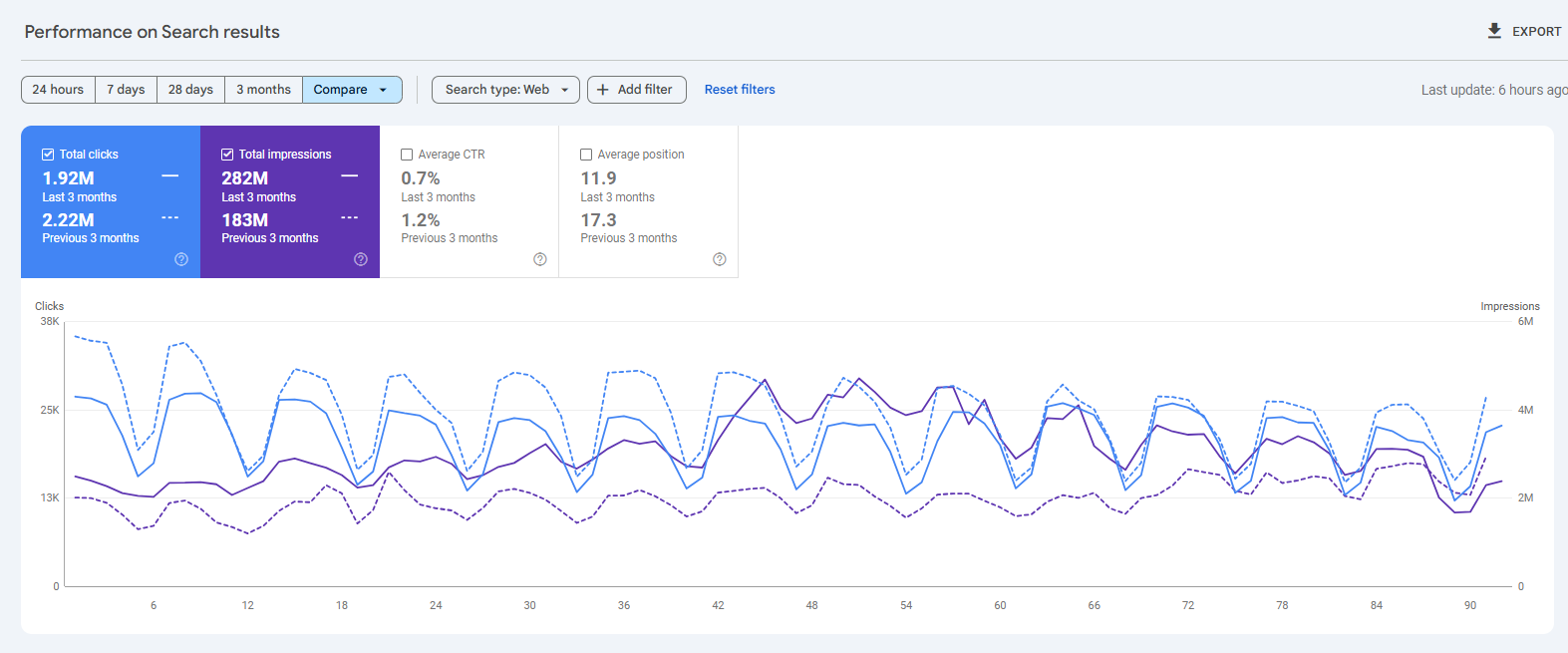
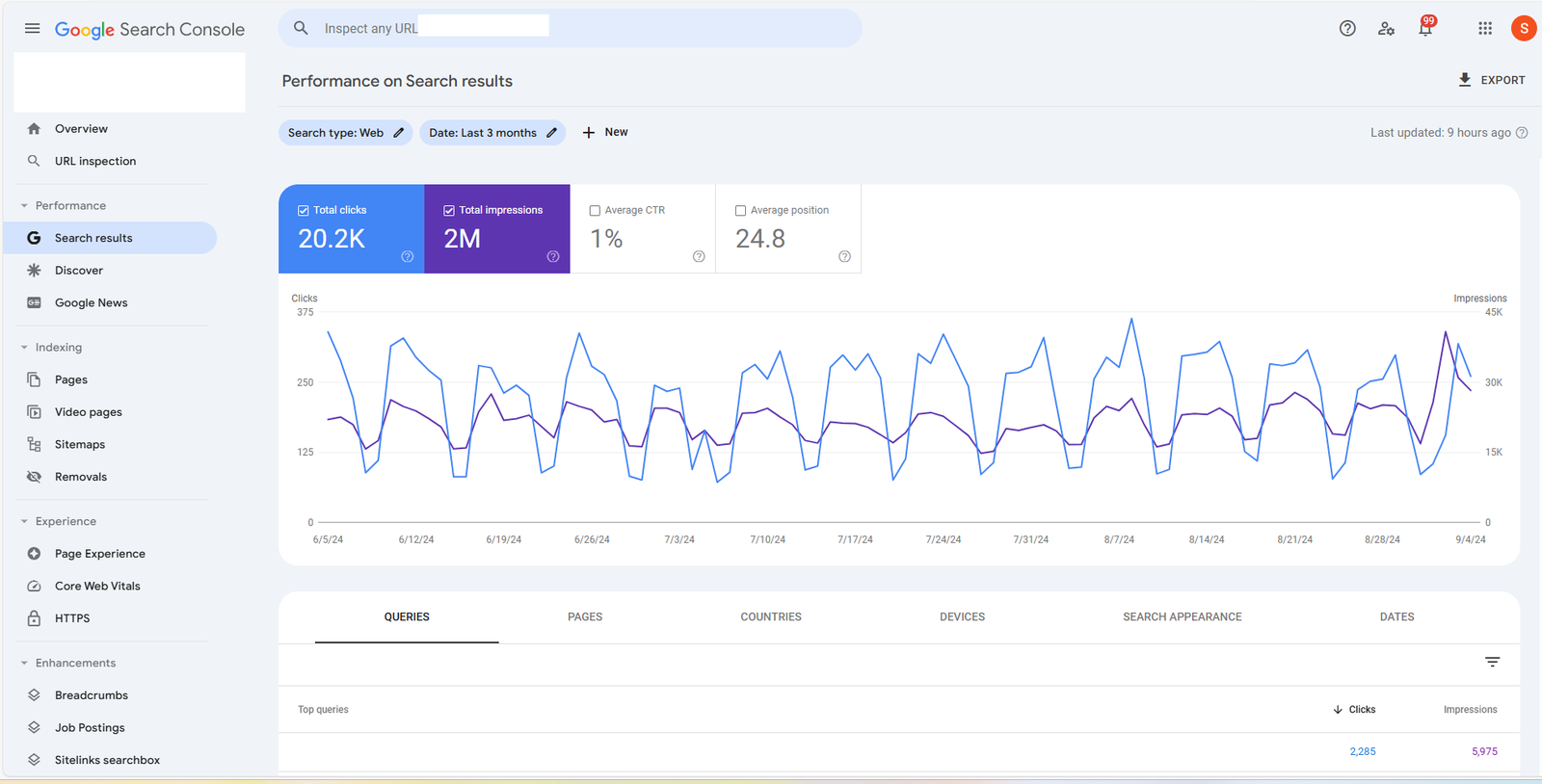
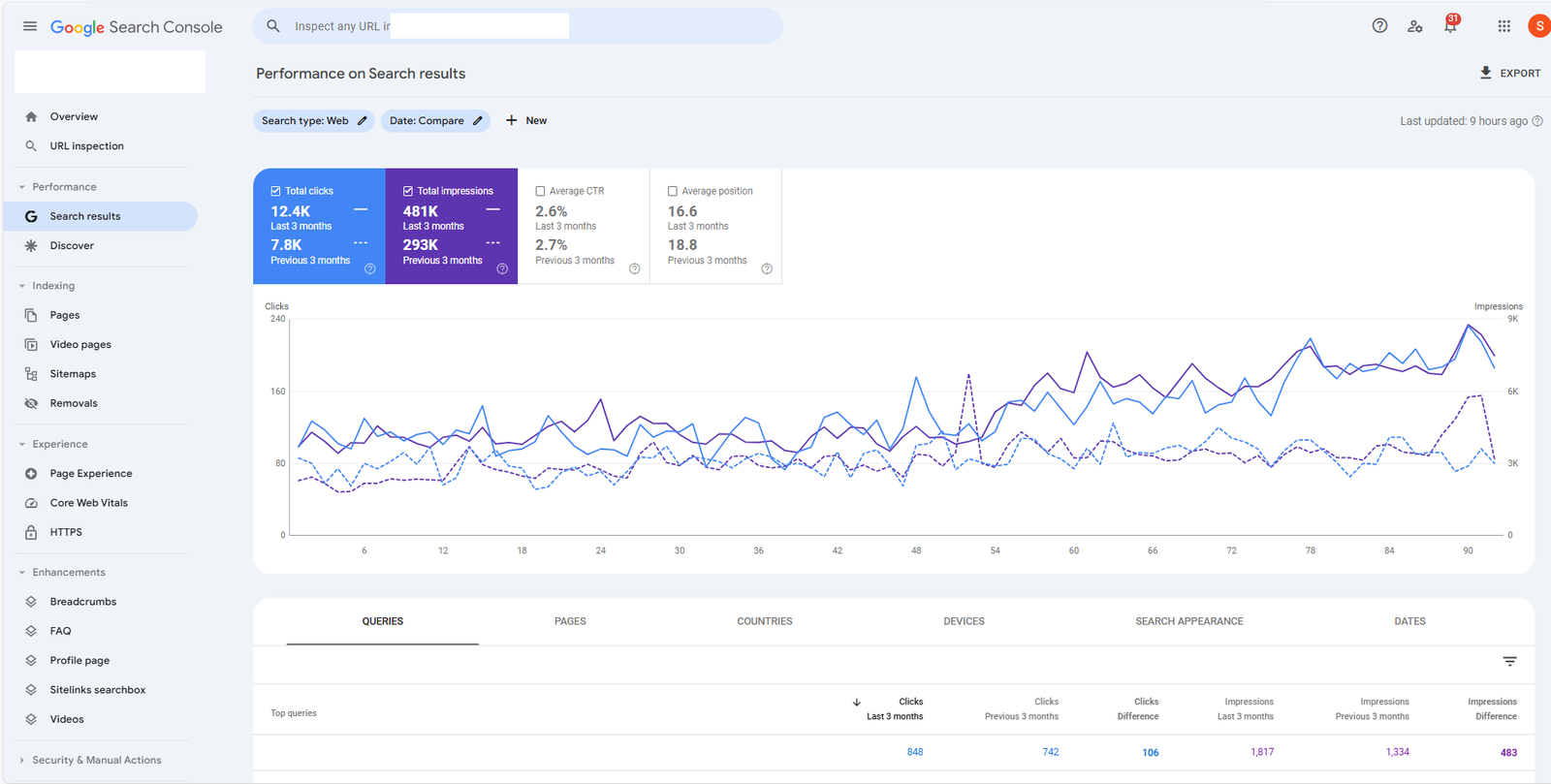
| Google Search Console | Index coverage, search appearance reports | ⭐⭐⭐⭐ | Technical monitoring for SaaS sites | Free | how to do seo for saas companies?, saas seo tools |
Content Table: Best SaaS SEO Tools to Build Your 2025 Organic Growth Engine
| Name | Category | USD/month | Features | AI Tools ✨ |
| Google Search Console | 🎁 Free | 0 | 🏆 🤖 🔗 | No |
| Google Analytics 4 | 🎁 Free | 0 | 🏆 🤖 🔍 | Limited AI |
| Ahrefs | 💵 Paid | 129–1499 | 🏆 🤖 ✍️ 🔍 🔗 | Yes |
| SEMrush | 💵 Paid | 139.95–499.95 | 🏆 🤖 ✍️ 🔍 🔗 | Yes |
| Moz SEO Software | 💵 Paid | 49–299 | 🏆 🤖 🔍 🔗 | Yes |
| SE Ranking | 💵 Paid | 52–207.20 | 🏆 🤖 ✍️ 🔍 | Yes |
| Surfer SEO | 💵 Paid | 79–175 | 🏆 🤖 ✍️ 🔍 | Yes |
| Clearscope | 💵 Paid | 189–399+ | 🏆 🤖 ✍️ 🔍 | Yes |
| SpyFu | 💵 Paid | 39–79 | 🏆 🔍 🔗 | No |
| Answer The Public | 💵 Paid | 5–99 | 🏆 ✍️ 🔍 | Yes |
| Ubersuggest | 💵 Paid | ~13–46 (INR) | 🏆 🤖 🔍 🔗 | Yes |
| Screaming Frog | 💵 Paid (Yearly) | 279/year | 🏆 🤖 🔍 | No |
| SEOptimer | 💵 Paid | 29–59 | 🏆 🔍 🔗 | No |
| Botify | 💵 Paid | 15/user+ | 🏆 🤖 🔍 🔗 | Yes |
| SEOmator | 💵 Paid | 49–279 | 🏆 🔍 🔗 | No |
| Respona | 💵 Paid | 198–799 | 🏆 🔍 🔗 | Yes |
| BuzzStream | 💵 Paid | 24–999+ | 🏆 🔍 🔗 | No |
| Hunter | 💵 Paid | 34–209 | 🏆 🔍 🔗 | No |
| AlsoAsked | 💵 Paid | 12–47 | 🏆 ✍️ 🔍 | No |
| Google Trends | 🎁 Free | 0 | 🏆 🔍 | No |
| Majestic | 💵 Paid | 49.99–399 | 🏆 🔍 🔗 | No |
| Keywords Everywhere | 💵 Paid (Credit-based) | 6–80 | 🏆 🔍 🔗 | Yes |
| SEO Stack | 💵 Paid | 49.99–199.99 | 🏆 🔍 | No |
| Keyworddit | 🎁 Free | 0 | 🏆 ✍️ 🔍 | No |
25+ Must-Have SaaS SEO Tools to Accelerate Organic Growth
Discover the best SaaS SEO tools to boost rankings, drive traffic and simplify SEO for SaaS startups and enterprises alike. These saas seo tools include keyword research, content optimization, and audit platforms—perfect for scaling organic growth in 2025 with the best tools for SEO for SaaS.
Best SaaS SEO Tools for Keyword Research & Competitor Analysis
Effective SaaS SEO begins with strong keyword research and a sharp understanding of what your competitors are doing. These five tools are among the best SaaS SEO tools I’ve personally used to map keywords, uncover ranking opportunities, and shape a scalable SaaS SEO strategy. Whether you’re a startup founder or running a large B2B SaaS marketing team, these are the best tools for SEO for SaaS in 2025.
1. SEMrush
Features:
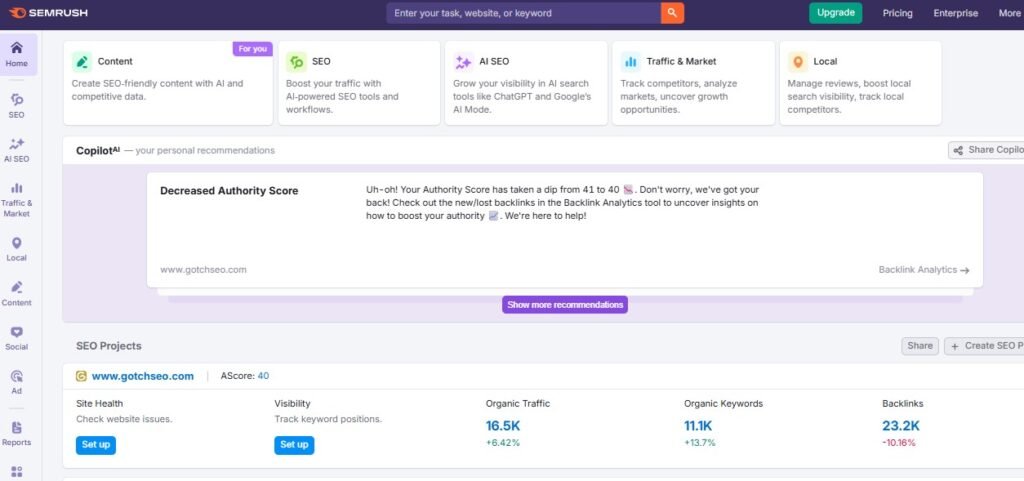
SEMrush delivers robust keyword databases, domain analytics, and traffic insights. It also includes a topic research tool and SEO content template, making it ideal for content planning and competitive benchmarking in SaaS markets.
Pros:
- Offers deep keyword and SERP intelligence
- Ideal for identifying competitor gaps
- Scalable for enterprise SaaS platforms
Cons:
- Steep learning curve for beginners
- Higher pricing compared to other tools
Pricing:
I use the Pro plan at $139.95/month as it covers all my keyword and competitor analysis needs. Guru-$249.95/month and Business plans-$499.95/month are available with added historical data and white-label options, but I’ve found the Pro plan ideal for solo and small agency use.
My Opinion:
I find SEMrush essential for any comprehensive saas seo strategy, especially for new markets. It’s my go-to for campaign planning and content targeting. It also helps compare accuracy of different AI-driven SEO recommendation engines in SaaS tools, offering data-backed suggestions for each keyword target.
2. Ahrefs
Features:
Ahrefs is a full-suite SEO tool known for backlink analysis, keyword tracking, and competitor audits. It’s especially valuable for B2B SaaS brands aiming to win in niche categories with authoritative content.
Pros:
- Best-in-class backlink database
- Accurate keyword volume and difficulty metrics
- Strong competitor gap analysis features
Cons:
- No free trial
- Less beginner-friendly UI
Pricing: Currently using the Standard plan at $299/month, which gives access to advanced keyword data and reports. Ahrefs also offers Lite ($129), Advanced ($499), and Enterprise ($1499) monthly plans.
My Opinion:
Ahrefs consistently delivers high-quality data, making it one of the best tools for SEO for B2B SaaS. I use it to build keyword clusters for long-term content growth and backlink planning. It’s especially strong when you want to compare the depth of SEO recommendations across AI-driven tools.
3. Moz SEO Software
Features:
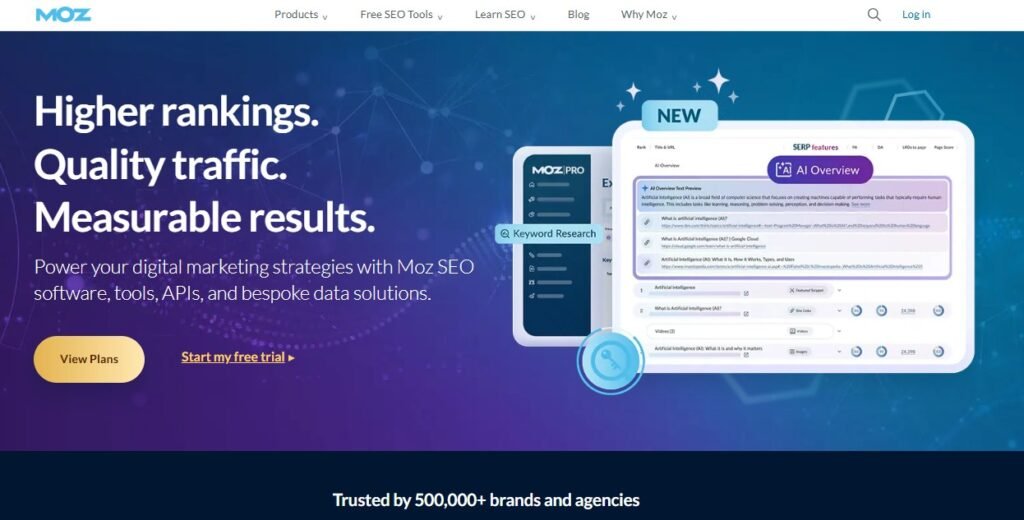
Moz is well-suited for early-stage SaaS teams. It features a clean keyword explorer, on-page grader, and rank tracking—ideal for building a baseline SaaS SEO presence without getting overwhelmed.
Pros:
- Intuitive interface for non-technical users
- Good keyword difficulty scoring
- Useful for local and early-stage SEO
Cons:
- Smaller backlink index
- Fewer updates than premium tools
Pricing: Free with limited searches. The Standard plan at $99/month fits current needs for basic keyword tracking and competitor insights. Moz also offers Starter – $49/month,Medium ($179/month) and Large ($299/month)plans for growing SEO demands.
My Opinion:
Moz was one of the first saas seo tools I used when launching B2C SaaS sites. While it lacks depth for enterprise, it’s still among the best SEO tools for your B2B SaaS and startup if you’re just getting started or training new team members.
4. Answer the Public
Features:
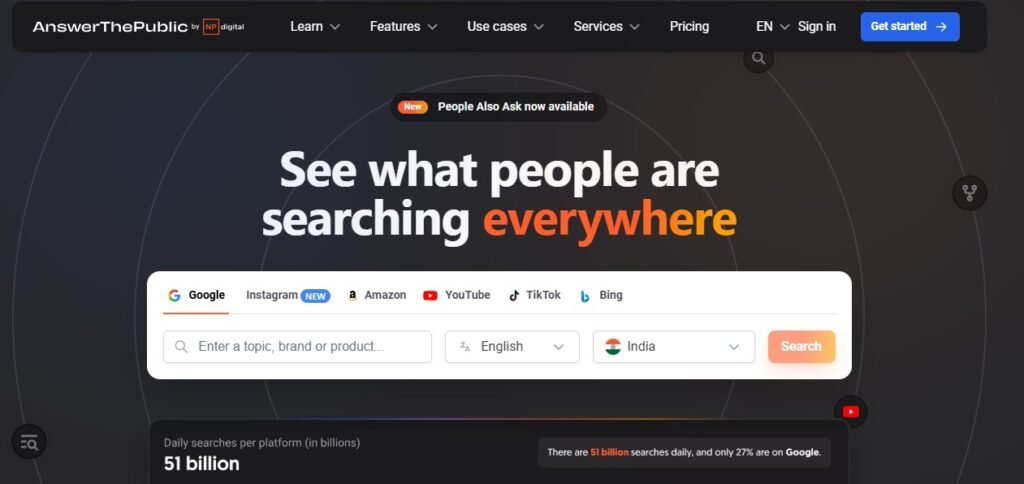
This tool visualizes search questions and autocomplete data into usable keyword clusters. It’s ideal for TOFU content ideation and long-tail keyword discovery in SaaS blogging strategies.
Pros:
- Reveals actual search questions and comparisons
- Supports voice search optimization
- Helps identify content angles from user perspective
Cons:
- Limited keyword volume data
- Free version restricts daily queries
Pricing: I use the Individual plan at $5/month, which suits my content planning needs. They also offer Pro at $49/month and Expert at $99/month for higher search limits and team access.
My Opinion:
For content ideation, especially in seo for saas startups, Answer the Public helps uncover intent-driven questions that your users are actively asking. It’s not a standalone tool but a great complement to more advanced best saas seo tools.
.
5. SpyFu
Features:
SpyFu excels in competitor keyword tracking and historical SERP analysis. It’s particularly helpful for teams combining SEO and PPC strategies in their saas seo strategy.
Pros:
- Shows organic and paid keyword overlaps
- Affordable pricing for early-stage SaaS
- Clear visibility into competitor campaigns
Cons:
- Backlink database isn’t deep
- Less useful for technical SEO audits
Pricing: I used SpyFu’s Basic Plan ($39/month) to analyze competitor keywords and SEO strategies. It covered my needs well. For larger teams, the Professional Plan ($79/month) offers more data exports and custom reporting.
My Opinion:
I recommend SpyFu for bootstrapped teams and product-led growth models. It’s one of the most affordable and best tools for SEO for SaaS, and I use it for clients who want to understand where competitors are spending time and money across search.
These five tools are perfect examples of saas tools examples that cover both foundational and advanced needs. If you want to execute a competitive and data-driven SaaS SEO strategy, they offer critical insight into search behavior, content gaps, and backlink performance.
Fast-growing SaaS brands need more than just great content—they need technically sound websites. From crawlability and broken links to schema validation and indexability, these saas seo tools help uncover and fix critical backend issues. Here are the best SaaS SEO tools for technical audits and site performance optimization.
Technical SEO & Site Audit Tools for SaaS Websites
Fast-growing SaaS brands need more than just great content—they need technically sound websites. From crawlability and broken links to schema validation and indexability, these saas seo tools help uncover and fix critical backend issues. Here are the best SaaS SEO tools for technical audits and site performance optimization.
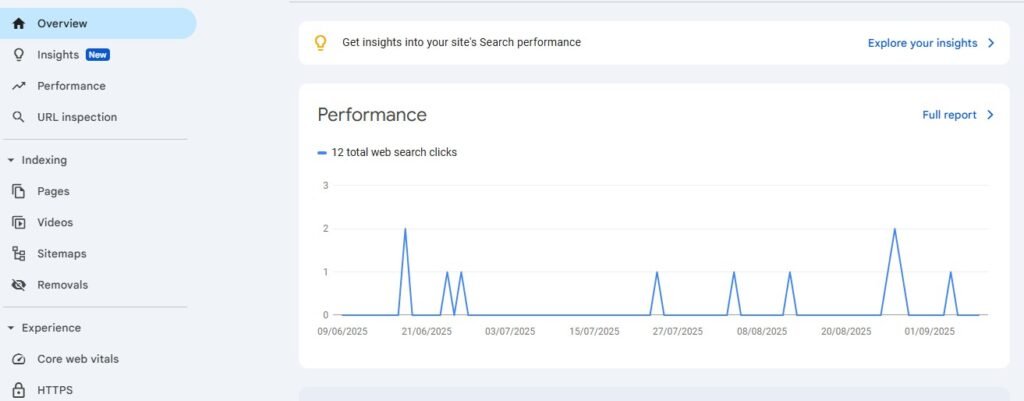
1. Google Search Console
Features:
GSC offers insights into how Google crawls, indexes, and displays your site. It shows index status, mobile usability, coverage errors, and Core Web Vitals—all crucial for technical SEO for SaaS.
Pros:
- Free and widely accessible
- Real-time indexing feedback
- Essential for identifying crawl and performance issues
Cons:
- Limited UI for deeper diagnostics
- No competitor comparison or keyword volume data
Pricing: Free
My Opinion:
Google Search Console is the most essential of all saas seo tools—especially for startups. I use it to identify indexation issues and monitor URL performance. It’s also great for checking schema problems and Core Web Vitals, which are critical in a technical SEO for SaaS checklist.
2. Screaming Frog SEO Spider
Features:
Screaming Frog is a desktop crawler that scans all internal pages to flag SEO issues. It checks broken links, duplicate content, missing metadata, and redirects—making it powerful for large SaaS sites.
Pros:
- Extremely detailed crawl diagnostics
- Finds duplicate content, missing tags, canonical errors
- Customizable crawl rules and JavaScript rendering
Cons:
- Steeper learning curve for beginners
- Desktop-only interface
Pricing: The paid license at $279/year met my needs for advanced crawl data and audit exports. A free version is also available, but it’s limited to 500 URLs and fewer features.
My Opinion:
I use Screaming Frog when auditing fast-scaling SaaS platforms. It’s one of the best saas seo tools for crawling thousands of pages and understanding technical issues before they affect rankings. Great for pinpointing thin pages, index bloat, and broken assets.
3. SEOptimer
Features:
SEOptimer provides instant technical audits across SEO, performance, security, and mobile usability. It also gives improvement suggestions, ideal for smaller teams new to technical SEO for SaaS.
Pros:
- Simple, fast audits for non-technical marketers
- Covers metadata, performance, and mobile friendliness
- Includes white-label reporting
Cons:
- Less comprehensive than enterprise-grade tools
- Doesn’t crawl JavaScript-heavy apps well
Pricing: I use the Basic plan at $29/month because it covers my quick audit needs. SEOptimer also offers White Label at $39/month and Embedding options at $59/month for agencies.
My Opinion:
I like SEOptimer for its clean UI and quick diagnostic reports. It’s an ideal entry-level saas seo tool for early SaaS teams that need to stay on top of their SEO hygiene but lack technical resources. A great complement to more advanced platforms.
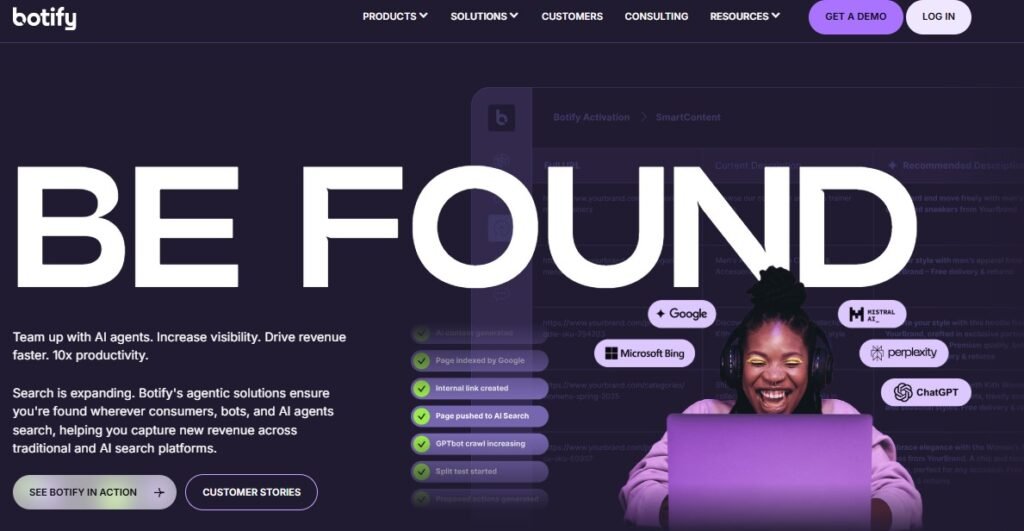
4. Botify
Features:
Botify is an enterprise-level platform that connects technical SEO with real-time performance data. It offers AI alerts, crawl budget optimization, and deep schema and indexability insights.
Pros:
- Scales well for enterprise SaaS ecosystems
- Provides crawl and log file analysis
- Highlights AI-driven insights and automation
Cons:
- Expensive and overkill for small teams
- Requires onboarding to maximize value
Pricing: I began with Botify’s free trial to explore its technical SEO and audit features. Later, I chose the Basic plan ($15/user/month), which met my needs for regular crawl monitoring and issue detection. For larger websites, Essential, Pro, and Enterprise plans offer more advanced and scalable solutions.
My Opinion:
I’ve used Botify with large SaaS platforms with international scale. It’s one of the best SaaS SEO tools for teams needing real-time crawl analytics and performance alerts. It’s advanced, but worth it if your SaaS brand has thousands of URLs or global subdomains.
AI-Powered Content Optimization Tools for SaaS SEO
Creating SEO content that ranks in 2025 requires more than keyword stuffing. Today’s SaaS SEO strategy relies heavily on AI-powered content optimization tools that analyze SERPs, apply NLP, and guide structure, tone, and keyword usage. These SaaS SEO tools help fill content gaps for feature pages, blog posts, and product-led content. Below are two of the best platforms I’ve used to compare the accuracy of different AI-driven SEO recommendation engines in SaaS tools.
1. SurferSEO
Features:
SurferSEO delivers NLP-based content scoring, SERP analysis, keyword density checks, and outlines to help SaaS teams create SEO-optimized content that ranks faster and more consistently.
Pros:
- Real-time content scoring and editor suggestions
- Easy integration with Google Docs and WordPress
- Auto-generates content outlines from SERP leaders
Cons:
- Can overemphasize keyword stuffing if used blindly
- Lacks deep competitor content analysis
Pricing: The Essential plan at $79/month met my needs for optimizing individual blog posts with NLP guidelines. Surfer also offers Scale ($175/month) and Enterprise (custom) plans for larger teams.
My Opinion:
I frequently use SurferSEO when building blog clusters and product-led articles. Its NLP-based scoring is especially helpful in aligning copy with user intent. Among AI saas seo tools, it strikes a good balance between automation and editorial control. A must-have in any content optimization workflow.
2. Clearscope
Features:
Clearscope focuses on improving content depth and semantic coverage. It uses NLP to analyze top-ranking pages, provides keyword suggestions, and grades content relevance—all vital for SaaS use cases.
Pros:
- Excellent for enhancing content depth and coverage
- Clean interface with Google Docs integration
- Prioritizes quality over quantity in keyword usage
Cons:
- More expensive than other tools in its category
- Not ideal for large-scale team collaboration
Pricing: I use Clearscope’s Essentials plan ($189/month) for optimizing my blog content. It’s perfect for improving SEO clarity and keyword targeting. For larger teams, the Business plan ($399/month) adds advanced tools, while the Enterprise plan offers custom solutions for organizations producing content at scale.
My Opinion:
Clearscope is my go-to for high-intent landing pages and feature content where precision matters. If you’re building long-form guides or targeting SERP content gap filling, this is one of the most accurate tools I’ve used to compare AI-driven SEO recommendation engines in SaaS tools.
Both SurferSEO and Clearscope play critical roles in modern SaaS SEO strategy, especially when building authority around features, use cases, and blog content. They automate content optimization without compromising editorial quality—key for scaling SEO in competitive SaaS spaces.
SEO Analytics & Tracking Tools for SaaS Success
In any data-driven SaaS SEO strategy, tracking performance is as important as creating optimized content. Understanding keyword positions, traffic behavior, and trial signups helps SaaS marketers make decisions that drive revenue. These saas seo tools provide clarity on what’s working, what’s not, and where to optimize next. Whether you’re tracking MQLs, conversion paths, or attribution, here are two of the best SEO tools for B2B SaaS analytics in 2025.
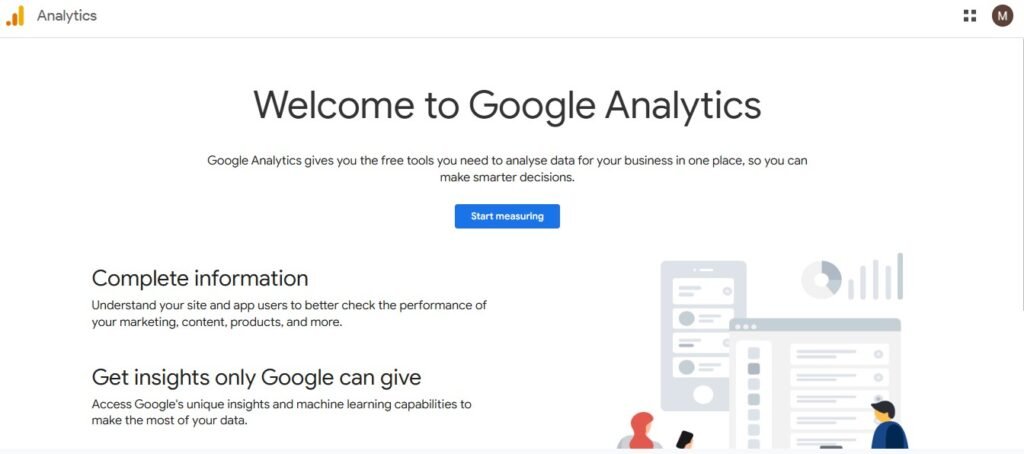
1. Google Analytics 4 (GA4)
Features:
GA4 enables event-based tracking, custom funnel creation, and deep user journey insights. It’s essential for measuring SaaS KPIs like trial signups, demo requests, and MQLs across all marketing channels.
Pros:
- Tracks user engagement across multiple devices
- Allows creation of custom events and goals
- Seamlessly integrates with Google Search Console
Cons:
- Steep learning curve for new users
- Requires proper setup for accurate attribution
Pricing: Free
My Opinion:
GA4 is foundational in any analytics tools for Saaas stack. I use it to track trial signups and behavior flow from blog to product pages. With proper configuration, it offers powerful insights into SEO-driven conversions, especially for SaaS startups needing growth clarity.
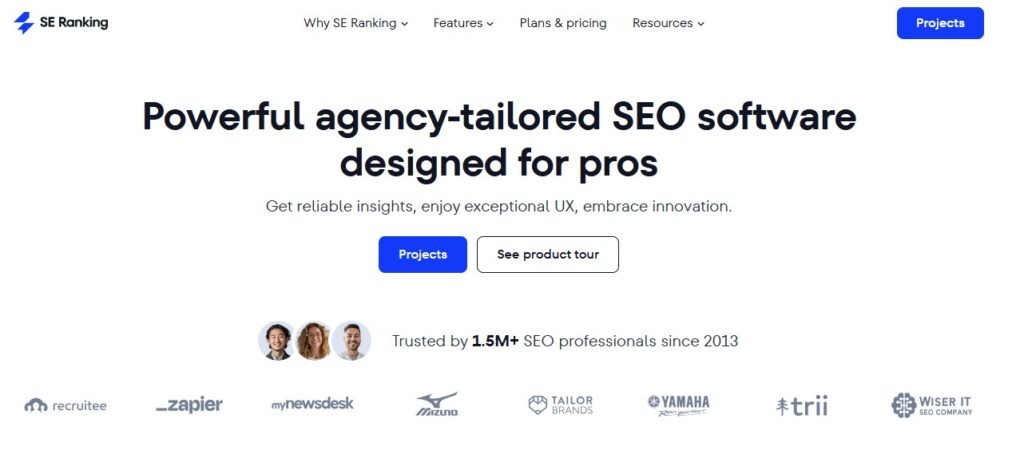
2. SE Ranking
Features:
SE Ranking is an all-in-one SEO tracking tool offering keyword rank monitoring, backlink analysis, and performance reporting. It’s great for tracking changes over time and identifying high-performing SaaS content assets.
Pros:
- Accurate daily keyword tracking across multiple locations
- Easy-to-set-up dashboards
- Includes competitor comparison and visibility score
Cons:
- Limited historical data on lower-tier plans
- UI could be more intuitive
Pricing: I use SE Ranking’s Essential plan ($52/month), which meets my SEO tracking and reporting needs. For larger teams or agencies, the Pro ($95.20/month) and Business ($207.20/month) plans offer more keyword limits, project slots, and extended data access for deeper analytics.
My Opinion:
SE Ranking is one of the most affordable yet feature-rich saas seo tools. I often recommend it for B2B SaaS teams that want precise keyword tracking and conversion analytics without the bulk of enterprise software. It also helps identify keyword trends and align them with funnel stages.
Whether you’re scaling content or refining MQL attribution, these SEO analytics tools for SaaS help translate rankings into business outcomes. They’re essential components in evaluating the real-world impact of your saas seo strategy.
Other Useful SEO Tools for SaaS Marketers
While the core saas seo tools focus on audits, keyword tracking, and content optimization, every SaaS team needs a supporting toolkit. These tools aid with link building, outreach, trend discovery, and content ideation—especially for resource-limited teams doing SEO for SaaS startups. Here are some of the best tools for SEO for SaaS that complement your main stack.
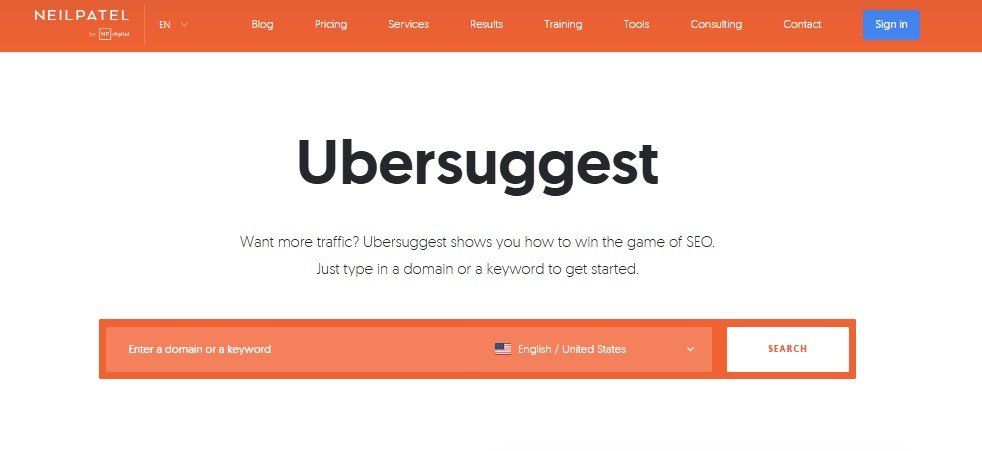
1. Ubersuggest
Features:
Ubersuggest offers keyword suggestions, domain analysis, and content ideas—ideal for SaaS founders doing their own SEO or marketers with limited budgets.
Pros:
- Beginner-friendly
- Competitive keyword gap reports
- Content ideas and backlink data included
Cons:
- Data less accurate than Ahrefs or SEMrush
- Limited keyword database in niche markets
Pricing: I use Ubersuggest’s Individual plan (₹1,135/month) for keyword research and competitor analysis—ideal for my SaaS marketing needs. They also offer a free version, and higher-tier Business (₹1,890) and Enterprise (₹3,785) plans with expanded data access and user limits for growing teams.
My Opinion:
For quick research and saas tools examples exploration, Ubersuggest is surprisingly helpful. It’s perfect for early-stage ideation before diving into heavier SEO platforms.
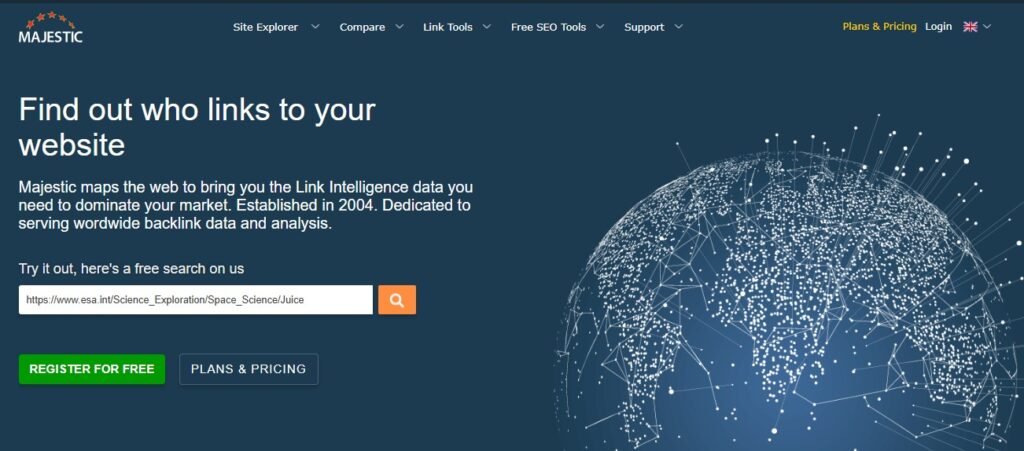
2. Majestic
Features:
Majestic is a backlink-specific tool known for its Trust Flow and Citation Flow metrics, helping SaaS teams evaluate link authority and domains.
Pros:
- Massive backlink index
- Historical link data
- Visual link graphs
Cons:
- No on-page or keyword features
- Dated UI
Pricing: I use Majestic’s LITE plan ($49.99/month) to monitor backlinks for my SaaS site—it covers core link metrics and reports. For deeper analysis and bulk data access, the PRO ($99.99) and API ($399.99) plans are ideal for advanced users and agencies.
My Opinion:
I use Majestic when validating link-building opportunities for SaaS clients. It pairs well with BuzzStream or Hunter for outreach prep.
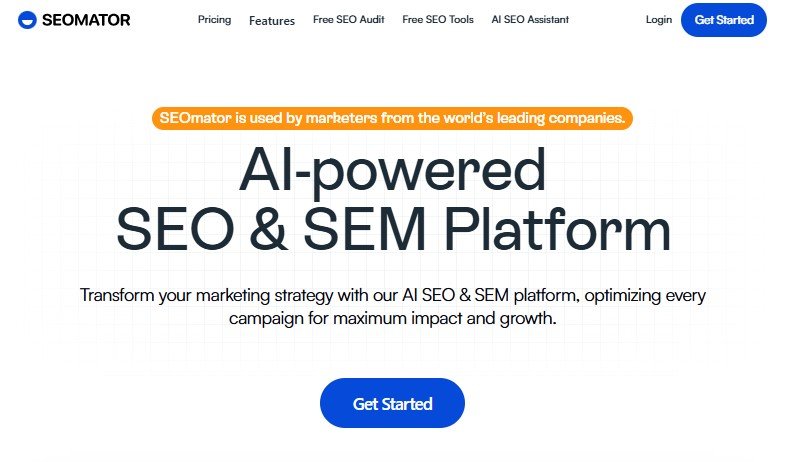
3. SEOmator
Features:
SEOmator offers full SEO audits, technical checks, and optimization reports. It combines multiple audit areas into one dashboard.
Pros:
- Deep technical analysis
- White-label reporting
- Real-time crawl issues
Cons:
- Not as intuitive as Screaming Frog
- Not ideal for content strategy
Pricing: I use SEOmator’s $49/month plan for in-depth SEO audits—it’s perfect for a full-site health check. For larger projects, the Standard ($99/month) and Advanced ($279/month) plans offer more crawl capacity, reporting features, and deeper analysis for growing SaaS teams.
My Opinion:
A solid choice when you’re auditing SaaS sites with multiple feature pages or legacy URLs. Great for freelancers or small agencies.
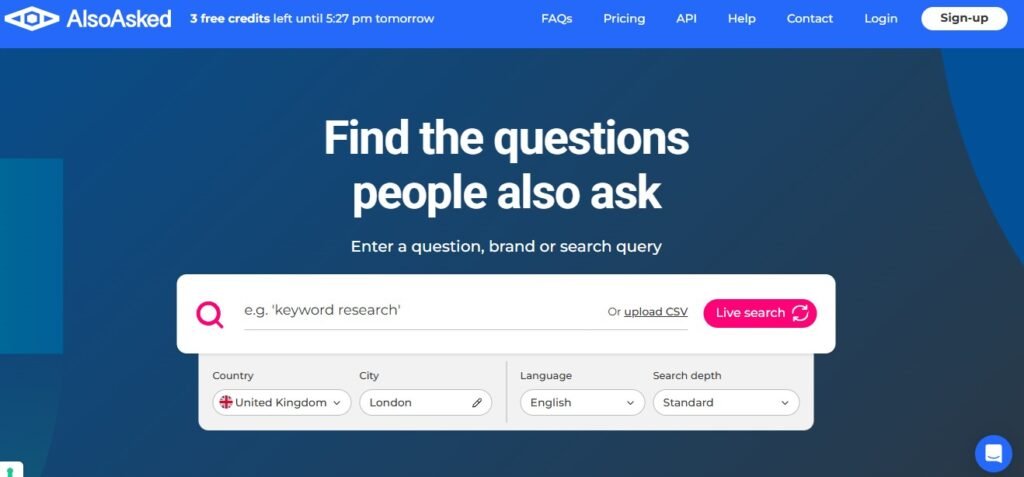
4. AlsoAsked
Features:
AlsoAsked maps out real Google “People Also Ask” queries into hierarchical diagrams, ideal for topic ideation.
Pros:
- Fast ideation for blog content
- Reveals user journey and query depth
- Helpful for TOFU articles
Cons:
- Limited free use
- No keyword volume metrics
Pricing: I use AlsoAsked’s Basic plan ($12/month) to discover related questions and enhance my SaaS content strategy. It’s affordable and effective. For more searches and exports, the Lite ($23/month) and Pro ($47/month) plans offer expanded features for advanced keyword research.
My Opinion:
I use AlsoAsked in the planning phase of SaaS content clusters. It’s great for long-tail SEO and aligning with searcher intent.
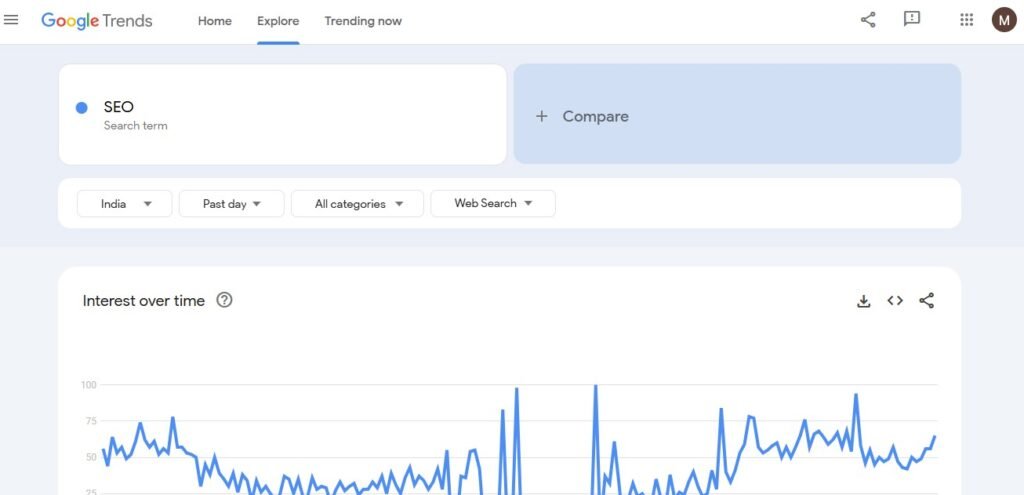
5. Google Trends
Features:
Google Trends shows keyword interest over time, geographic trends, and rising related queries—useful for product seasonality and messaging pivots.
Pros:
- Free and real-time
- Great for comparing keyword popularity
- Simple UI
Cons:
- Doesn’t provide keyword volume
- Lacks granularity for low-volume terms
Pricing: Free
My Opinion:
Google Trends is underrated in SaaS SEO. I use it to validate feature naming, time blog launches, and analyze shifting user behavior.
6. BuzzStream
Features:
BuzzStream is a CRM for link building and PR outreach. It helps manage conversations, contacts, and campaign tracking.
Pros:
- Streamlined outreach campaigns
- Tracks email status and engagement
- Scales well for small teams
Cons:
- Email deliverability varies
- Manual setup can be time-consuming
Pricing: I use BuzzStream’s Starter plan ($24/month) to manage outreach and build backlinks for my SaaS site—it’s simple and efficient. For larger teams, the Growth ($124), Professional ($299), and Custom (from $999) plans offer advanced features and scalability.
My Opinion:
For seo for saas startups that rely on earned media and guest posts, BuzzStream makes outreach manageable and scalable.
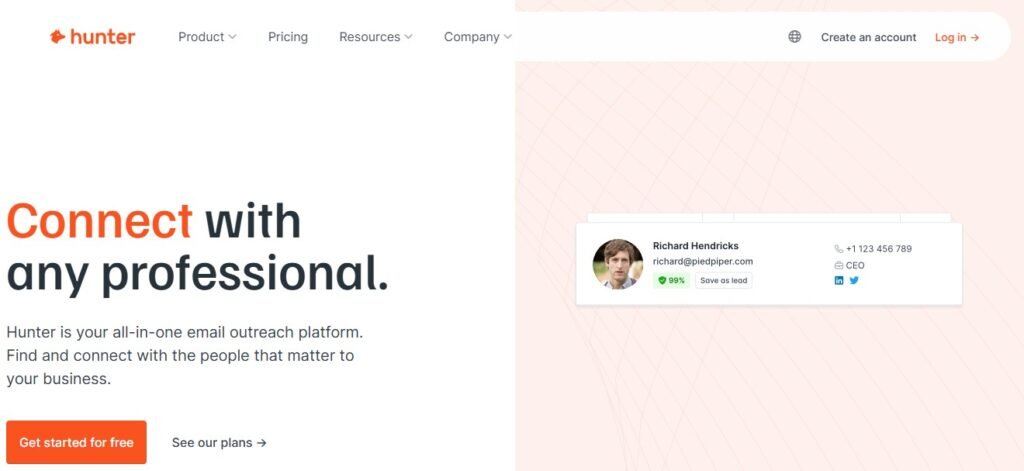
7. Hunter
Features:
Hunter finds verified email addresses from websites or LinkedIn, streamlining SaaS outreach or backlink campaigns.
Pros:
- Simple interface
- High email accuracy
- Free credits each month
Cons:
- No built-in email automation
- Doesn’t handle large lists well
Pricing: I started with Hunter’s free plan, then upgraded to the Starter plan ($34/month) for more outreach capacity—great for link-building in SaaS. For higher limits and team features, Growth ($104) and Scale ($209) plans offer more flexibility and automation.
My Opinion:
Essential for link-building outreach in SaaS SEO. I combine it with BuzzStream and Respona for personalized outreach.
8. SEO Stack
Features:
SEO Stack is a Chrome extension for generating long-tail keyword variations from autosuggest in Google, YouTube, Bing, and more.
Pros:
- Great for rapid ideation
- Pulls data from multiple engines
- Easy to export
Cons:
- Basic—no analytics or tracking
- Can be noisy without filtering
Pricing: I use SEO Stack’s Lite plan (£49.99/month) to manage and optimize up to 5 SaaS websites—perfect for my current scale. For handling more sites, the Basic (£99.99) and Pro (£199.99) plans offer expanded capacity ideal for growing businesses or agencies.
My Opinion:
I use SEO Stack to brainstorm SaaS blog ideas fast. It’s not a core SEO tool, but handy when you’re stuck in content planning.
9. Keywords Everywhere

Features:
This browser extension overlays keyword volume, CPC, and competition data directly into SERPs, YouTube, and Amazon.
Pros:
- Real-time keyword data while browsing
- Cost-effective
- Covers multiple platforms
Cons:
- Can clutter SERPs
- Doesn’t replace full SEO tools
Pricing: I use Keywords Everywhere’s Silver plan ($6/month) for affordable keyword volume and competition insights—ideal for my SaaS content strategy. They also offer Bronze ($2.25) for light use, and Gold ($25) and Platinum ($80) plans for advanced keyword research needs.
My Opinion:
Great for quick research during editorial planning. I use it when updating saas tools examples or mapping competitor keywords on the fly.
10. Respona
Features:
Respona automates outreach, link building, and digital PR. It combines search intent with prospecting and follow-up email campaigns.
Pros:
- Automates personalized email sequences
- Built-in prospect search
- Tracks campaign performance
Cons:
- Higher cost for small teams
- Prospect matching isn’t always perfect
Pricing: I use Respona’s Starter plan ($198/month) to manage outreach for my SaaS side projects—it’s simple and effective. For bigger teams, the Pro plan ($495/month) suits in-house needs, while the Unlimited plan ($799/month) is ideal for large-scale agency campaigns.
My Opinion:
Respona is ideal for scaling link outreach without losing personalization. For fast-scaling SaaS brands, it’s one of the best tools for SEO for SaaS when authority building is the goal.
These tools are not your core stack—but they amplify your efforts. From trend tracking to ideation to building relationships, they’re essential for a well-rounded SaaS SEO strategy—especially when scaling with limited in-house SEO resources.
How to Choose the Best SaaS SEO Tools for Your Business
Not all saas seo tools are created equal. Selecting the right ones depends on your company’s stage, goals, and internal capabilities. Whether you’re a startup with a lean team or a global B2B SaaS brand, your SEO tool stack must align with your growth model.
1. Consider Your Scale and Needs
Startups may only need a lightweight all-in-one tool, while enterprise SaaS companies often require a full suite—from technical audits to AI content engines. Look for scalability and multi-domain support.
2. Integration and Compatibility
The best saas seo tools should integrate with your existing tech stack—especially CMS platforms, CRMs, and data tools. Tools like GA4 and SE Ranking work well across many stacks.
3. Ease of Use and Learning Curve
Choose tools that your team can actually use. A feature-rich tool is useless if it’s too complex for regular workflows.
4. AI Capabilities and Automation
Modern tools offer NLP scoring, content suggestions, and predictive insights. Evaluate the accuracy of AI-driven SEO recommendation engines in SaaS tools before investing.
5. Budgeting by Business Type
- Best SEO tool for B2B: Look for in-depth analytics, CRM integrations, and robust competitor tracking (e.g., Semrush, SE Ranking).
- Best SEO tool for B2C: Prioritize content optimization and SERP-focused tools (e.g., SurferSEO, Clearscope).
- SaaS startups: Go for affordable all-rounders (e.g., Ubersuggest, SEOptimer) and expand as you grow.
Matching tools to your SaaS stage helps you avoid waste and maximize ROI from your SEO investment.
Conclusion – Build Your 2025 SaaS SEO Toolkit for Scalable Growth
The right SaaS SEO tools can transform how your business approaches growth—from attracting high-quality leads to improving technical performance and creating content that converts. As the competition intensifies in 2025, relying on guesswork simply isn’t an option.
Combining a smart saas seo strategy with the right tools and consistent execution is what separates growing SaaS brands from those stuck on page two. Whether you’re running a B2B lead gen machine or a B2C product-led app, there’s a tailored stack that suits your stage, audience, and team capacity.
Don’t feel pressured to adopt every platform. Instead, personalize your SEO toolkit based on your goals, current bottlenecks, and internal skills. Start small, iterate, and layer in tools as you scale.
Your next trial signup, demo request, or MQL might start with a single optimized blog post.
Now’s the time to start building your organic engine—one tool and one page at a time.
Frequently Asked Questions about SaaS SEO Tools
Why do SaaS businesses need SEO in 2025?
SEO lowers acquisition costs, builds trust, and drives qualified signups in crowded SaaS markets.
Why are SEO tools important for SaaS companies?
They help SaaS brands track keywords, optimize content, and scale organic growth in competitive markets.
Which SaaS SEO tool is best for startups?
Tools like Ubersuggest or SE Ranking are cost-effective and ideal for quick wins in early SaaS growth.
How do AI SEO tools support SaaS growth?
AI tools speed up keyword research, optimize content with NLP, and align pages with search intent.
What’s the best SaaS SEO strategy for 2025?
Focus on keyword mapping, technical audits, AI-driven optimization, and link building for sustainable growth.