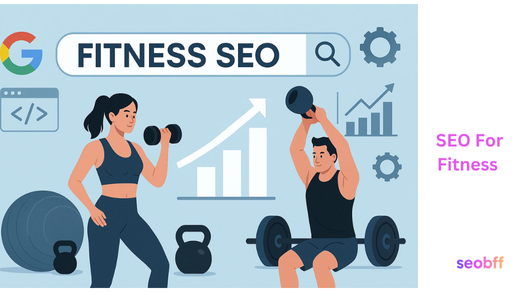
Gyms, studios and personal trainers compete hard for local attention, especially in January. I’m Anoob PT, founder of SEOBff. In 15+ years of SEO I’ve seen how local visibility, reviews and helpful content can fill classes without depending on paid ads.
In this 2027 guide I cover the SEO strategies that help fitness businesses rank locally, win memberships and keep growing all year.
The Role of SEO in the Fitness Industry’s Digital Growth
The fitness industry is going through a major digital transformation. With consumers relying heavily on search engines to find workout programs, trainers, classes, and wellness advice, having a fully optimized fitness website is no longer optional.
Effective fitness SEO helps:
- Increase brand visibility for your gym, studio, or training services
- Improve organic traffic from people actively searching for fitness-related services
- Capture leads and convert them into paying clients
Whether you’re running a fitness center, managing a personal training business, or offering niche services like yoga or HIIT classes, SEO ensures your content appears when and where your audience is looking. That’s why many professionals today turn to a fitness SEO agency or invest in fitness SEO services to stay competitive.
What is the Best SEO for Fitness?
When we talk about the best SEO for fitness, we mean strategies tailored specifically for the fitness industry—ones that combine local SEO, on-page optimization, keyword research, and content marketing.
The best SEO approach for a fitness business includes:
- Targeting high-converting keywords for health and fitness (e.g., “personal trainer in Chennai”, “yoga studio near me”)
- Enhancing local fitness center SEO through Google Maps optimization
- Using a reliable SEO fitness workbook to track progress and performance
- Publishing high-quality blog content optimized for personal training keywords, yoga SEO keywords, and other fitness SEO keywords
Whether you’re using a fitness SEO company or implementing it yourself, aligning your digital presence with the right fitness SEO strategies can dramatically boost your growth.
Why the Fitness Industry Needs SEO to Grow Online
The digital landscape of the fitness industry has changed dramatically over the past few years. With thousands of gyms, studios, trainers, and fitness brands competing for attention online, effective fitness SEO has become more than just a marketing tactic—it’s a necessity. Let’s break down why your fitness business needs SEO to thrive online in 2027.
Increased Competition Among Fitness Websites and Gyms
Whether you operate a fitness center, run a personal training business, or manage a yoga studio, you’re no longer just competing with local businesses. You’re also up against:
- Fitness franchises with national SEO strategies
- Influencer-run fitness websites with massive followings
- Digital platforms that dominate high-volume fitness SEO keywords
Without a targeted approach like SEO for fitness gyms or SEO for fitness websites, your business risks being buried deep in the search results. As more businesses adopt fitness SEO services, failing to optimize your site could mean fewer leads, lower brand visibility, and lost revenue.
This is why investing in the right seo services for fitness companies—or even hiring a specialized fitness SEO agency—is critical to staying ahead in this saturated space.
The Rise of Online Personal Training and Fitness Apps
Fitness has gone virtual. With the explosion of online workout platforms, mobile fitness apps, and virtual training programs, the demand for digital fitness solutions has skyrocketed.
If you’re a trainer or studio owner, implementing seo for fitness instructors and seo services for fitness trainers helps you compete in this evolving ecosystem. Ranking for personal training keywords like “online fitness coaching” or “virtual trainer near me” allows you to reach potential clients beyond your local area.
As people increasingly turn to Google to find customized workout plans, live classes, or wellness solutions, your online visibility becomes your strongest business asset. That’s where fitness SEO strategies make a powerful impact.
Importance of Local SEO for Fitness Centers and Gyms
While the digital fitness boom is real, local fitness centers and gyms still rely heavily on foot traffic and community presence. That’s why local gym SEO is a game-changer for neighborhood-based fitness businesses.
By implementing local fitness center SEO enhancements, such as:
- Optimizing your Google Business Profile
- Getting listed in local directories
- Targeting location-specific fitness keywords
- Using Google Maps SEO for fitness centers
you improve your chances of ranking in the local pack—those top 3 business listings that appear in location-based searches.
For example, searches like “gym near me” or “best fitness center in [city]” are incredibly competitive. But with the right seo for gyms fitness and seo google maps gyms & fitness centers approach, you can stand out from other local competitors and drive more high-intent traffic.
Understanding Fitness SEO – Core Concepts
As the fitness industry continues to grow online, mastering the basics of fitness SEO becomes essential for staying visible and competitive. Whether you manage a gym, run a fitness studio, or offer personal training services, understanding how SEO works—and how it differs from general digital marketing—can transform your growth strategy.
What is SEO for Fitness Websites, Gyms, Studios, and Trainers?
SEO for fitness refers to the practice of optimizing your online presence so your fitness business ranks higher in search engine results when potential clients look for services you offer.
Here’s how it breaks down by business type:
- SEO for fitness websites focuses on keyword optimization, site structure, and content to rank your site organically.
- SEO for fitness gyms targets local searches like “gym near me” or “fitness center in [location]” using local gym SEO techniques.
- SEO for fitness studios involves optimizing service pages, class schedules, and blog content for both local and niche keywords.
- SEO for fitness instructors and personal trainers helps individuals rank for services like “online fitness coaching” or “certified personal trainer [city].”
Regardless of your model, the goal of SEO for fitness businesses is to increase online visibility, attract qualified leads, and ultimately drive more conversions.
How Fitness SEO Keywords Help Drive Traffic
At the heart of any successful SEO campaign lies keyword research. Using the right fitness SEO keywords allows search engines to understand what your content is about and connect you with people searching for your services.
Examples of powerful fitness-related keywords include:
- “personal training near me”
- “yoga classes in [city]”
- “best gym in [location]”
- “online fitness trainer”
When you use personal training keywords, yoga SEO keywords, and keywords for health and fitness in your website copy, blog articles, and meta tags, you position your site to capture high-intent traffic. This is why expert fitness SEO companies invest significant time into developing a keyword strategy tailored to each fitness brand.
The Difference Between Fitness SEO and Traditional Digital Marketing
While digital marketing includes broad activities like running ads, email campaigns, and social media marketing, fitness SEO is more targeted and sustainable. Here’s how they differ:
| Digital Marketing | Fitness SEO |
| Paid traffic through ads (e.g., Google Ads, Meta Ads) | Organic traffic via Google and Bing |
| Short-term results | Long-term visibility and traffic |
| High cost per click (CPC) | Cost-effective over time |
| Great for promotions | Ideal for brand positioning and long-term growth |
A smart strategy often combines both—but fitness SEO lays the groundwork for consistent, long-term inbound leads without recurring ad costs.
What Are the Fitness Tags for SEO?
If you’re asking “What are the fitness tags for SEO?”, you’re referring to HTML tags and on-page elements that help search engines understand your content. These include:
- Title Tags: e.g., “Top Fitness Studio in Mumbai – Personal Training & Yoga Classes”
- Meta Descriptions: Summaries that show in search results
- Header Tags (H1, H2, H3): Structuring your content with fitness SEO keywords
- Image Alt Tags: e.g., “Personal trainer helping client with deadlift”
- URL Slugs: Clean and keyword-friendly links like /yoga-classes-chennai
Using optimized fitness tags for SEO not only boosts rankings but also improves user experience by making your content easier to navigate.
Specialized SEO for Fitness Businesses
As a fitness business owner—whether you run a gym, a studio, or you’re a personal trainer—you need more than just a website. You need visibility. That’s where specialized SEO comes in. It’s all about optimizing your fitness brand online so that the right people can find you at the right time.
Let’s break this down step-by-step into key areas of specialized SEO for fitness businesses.
Brand Development for Fitness Websites
How SEO Builds Authority for Fitness Brands
Think of SEO like building your reputation online.
- People trust brands that show up on the first page of Google. If your gym or studio appears at the top when someone searches for “fitness classes near me,” it builds instant trust.
- You do this by creating helpful, keyword-rich content—like workout tips, nutrition guides, or service pages for your fitness classes.
- Over time, Google sees your site as reliable and gives it more visibility.
By investing in fitness SEO services, you’re not just attracting clicks—you’re building brand authority in your niche.
Competitor Research for Fitness SEO
Analyzing Other Gyms, Studios, and Health Brands
You wouldn’t open a fitness center without checking what the gym next door offers, right? Same goes for SEO.
- Look at your top competitors online. Who ranks when you search “gym in [your city]” or “personal trainer near me”?
- Study their websites—what pages they have, what keywords they use, how fast their site loads.
- Use tools like SEMrush, Ahrefs, or Ubersuggest to dig deeper.
- Then, improve on what they’re doing. Create better content, offer more details, or target keywords they missed.
Understanding your competition helps you create a stronger SEO fitness strategy.
SEO and PPC Keyword Research
Using Personal Training Keywords and Fitness Keywords Strategically
This step is about knowing what people type into Google when they look for fitness services.
- Start with common terms: “gym near me,” “yoga classes,” “online personal trainer.”
- Use tools like Google Keyword Planner or Ubersuggest to find fitness SEO keywords and personal training keywords people search often.
- Choose a mix of:
- Local terms: “fitness center in Chennai”
- Niche terms: “HIIT trainer for women”
- Service-based terms: “weight loss coach online”
- Local terms: “fitness center in Chennai”
- These keywords help both SEO (free traffic) and PPC (paid ads) campaigns.
Use them naturally on your website, especially in your page titles, service descriptions, and blog content.
Local Fitness Center SEO Enhancements
Optimizing Google Maps SEO for Fitness Centers
“SEO Google Maps gyms & fitness centers” Usage Explained
Want more walk-ins or phone calls? You need to show up on Google Maps.
- Claim your Google Business Profile (GBP) if you haven’t already.
- Add your gym/studio name, hours, services, and a few great photos.
- Use keywords like “best gym in [city]” in your business description.
- Ask happy clients to leave Google reviews (this boosts trust and ranking).
- Keep your NAP (Name, Address, Phone) consistent across directories.
When someone searches “gyms near me,” your business can appear in the top 3 map results—this is called the Local Pack.
This is what we mean when we say:
“Optimize SEO Google Maps gyms & fitness centers” for local visibility.
Keywords Used:
google maps SEO for fitness centers, local fitness center SEO enhancements, seo google maps gyms & fitness centers, local gym SEO, seo for fitness clubs
Google Analytics & Google Ads Integration
Ensure Proper Linking for Data-Driven Decisions
SEO isn’t just about guessing—it’s about using data to make smart moves.
- Google Analytics helps you track:
- How many people visit your site
- Where they come from (Google, social, direct)
- Which pages they view most
- How many people visit your site
- Google Ads helps track:
- Which keywords bring in leads
- How much each conversion costs
- Which keywords bring in leads
- Link both platforms together. This way, you’ll see the full journey of your customers—from search to sign-up.
This is especially useful when you’re running both SEO and PPC for your fitness business.
What’s Included in Our SEO Services?
Here are some of the tactics we consider and implement when crafting custom SEO strategies for manufacturers:
Evaluate Top Landing Pages
We will go into your Google Analytics profile and see which pages on your website get the most traffic, convert the best, and have the most room for opportunity. From there, we can revamp page copy, add additional keywords, internally link pages together, and more.
Address Product and Service Pages
We often see manufacturing websites that have little to no page copy on their most important pages, whether it’s because they never had the time to write content, had limitations in how the website was built, or just weren’t sure what to write. Part of our process includes making sure these pages are optimized properly.
Check Your Local Presence
Have you claimed and optimized your local listings on Google and Bing? Even if you are a national company, making sure your business information is properly displayed not only on your website, but across citation websites, social media, and your Google Business Profile is an essential SEO tactic.
Assess Data Sheets and PDFs
As a business that needs to value the technical aspects of your products, from their size to their range of abilities, you are likely linking to various PDFs that your company creates for your product line. But did you know there is no way to track PDF views in Google Analytics? Not to mention, PDFs don’t give customers the ability to contact you. Ensuring that we address issues like this is a top priority of our strategy.
Take Time to Build Quality Links
Having a strong backlink profile is essential in the eyes of Google. Our strategists have experience crafting link-building strategies that will give your site a boost from quality websites.
Refresh Your Metadata
If it has been a while since you updated the metadata on your website, give these titles and descriptions a makeover to include more keywords and more appealing copy can bring more users to your site.
Identify and Track Your Top Keywords
Do you currently know where your website ranks on search engines such as Google? The answer may not be what you think it is, since Google’s personalized search algorithm often interferes with most search queries. We will work with you to identify what terms you wish to rank for and utilize reliable software that helps us track your website’s ongoing progress in ranking.
Create Useful Content to Help the Sales Process
Your sales team is likely asked a lot of redundant questions, like ordering info, shipping queries, and everything in between. One great way we can help alleviate that is by creating a frequently asked questions page that users can have as a tool to get the info they need quickly, which will ultimately save you the hassle.
Design for Conversion
Our team has the ability to make strategic design and development changes to your website that will turn website visitors into customers. From adding pops of color to changing the location of your web forms to be “above the fold” of the page, there are numerous things we can implement to improve your pages from a conversion standpoint.
Establish Proper Goal Tracking
Even if you already have Google Analytics connected to your website, you could be missing out on key data by not having proper goal tracking in place. Our team can enable goal tracking across web forms, phone numbers, and even purchases to help you better analyze your website and marketing efforts.
The Types of SEO You Should Be Familiar With
There are four popular branches of SEO that we utilize in our 100% custom manufacturing marketing campaigns:
On-Page SEO
This includes everything you can control and change on a webpage, including page copy, keywords, internal linking, headers (H1, H2s, etc.), metadata, and photos.
Off-Page SEO
As you can guess, off-page SEO includes everything you do for SEO outside of your website. This includes link building, managing local citations, optimization of local profiles, and more.
Technical SEO
Technical SEO encompasses aspects of your on-page SEO, such as ensuring your photos are sized properly and optimized, and also factors in the structure of your website, redirects, canonicals, user experience, and overall site speed.
Local SEO
Local search engine optimization isn’t relevant to most businesses in the manufacturing industry, but it is still good to understand what it is. Local SEO refers to specialized tactics to improve the local rankings of businesses that have a local focus (such as gyms, dentists, contractors, etc.). This can include optimizing their local profiles, getting backlinks from other local businesses, and more.
Local SEO for Gyms and Fitness Studios
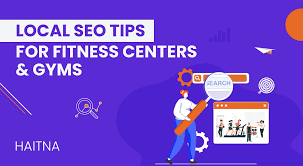
If you run a gym, yoga studio, or personal training business, local SEO is how you show up when someone nearby searches “gym near me” or “fitness center in [Your City]”. It helps people in your area find you online before they find your competitors.
Why Local SEO Matters
- Most people look for fitness options nearby—especially on Google Maps.
- Good local SEO brings in more walk-ins, phone calls, and bookings.
- It helps you rank in the Local Pack (top 3 listings on Google Maps).
Step 1 – Create and Optimize Your Google Business Profile (GBP)
Your Google Business Profile is like a free local listing that shows up on Google Maps and local search results.
Here’s what to do:
- Go to Google Business Profile and create your account.
- Verify your business (usually via postcard or phone).
- Add:
- Business name, phone, address
- Gym hours and website
- Categories like “Gym,” “Fitness center,” “Yoga studio”
- Services: Personal training, Zumba, CrossFit, etc.
- Upload photos: Facility, equipment, trainers, classes
- Post updates, answer FAQs, and encourage reviews.
- Business name, phone, address
Pro Tip: Ask your happy clients to leave reviews—this helps boost your ranking and trust.
Step 2 – Make Your Website “Local Friendly”
Your website needs to show Google where you’re located and what you offer.
Optimize by:
- Including city and service keywords in page titles like “Best Gym in Rajapalayam” or “Personal Trainer in Chennai.”
- Creating individual pages for services (e.g., “Weight Training”) and locations if you have more than one.
- Show your NAP (Name, Address, Phone) clearly on all pages.
- Embed your Google Map on the contact page.
- Add client testimonials and make sure your site works great on mobile.
Step 3 – List Your Business on Local Directories (Citations)
Citations are online mentions of your business (name, address, phone number).
Where to list:
- Yelp, JustDial, Sulekha, Practo, Fitternity
- Fitness-specific platforms like Gympik or ClassPass
- Make sure your details are consistent across all platforms.
Step 4 – Build Local Links (Get Other Local Sites to Mention You)
Backlinks help boost your local authority.
Earn links by:
- Partnering with local nutritionists, cafes, or physiotherapists
- Writing guest blogs on fitness or lifestyle sites
- Sponsoring a local event or school program
Step 5 – Ask for Reviews & Manage Your Reputation
Good reviews improve your local SEO and build trust with potential members.
How to get more reviews:
- Ask after a successful session or class
- Send a WhatsApp or email reminder
- Use platforms like Birdeye or Podium for review automation
- Always reply—even toWhat is SEO for Fitness Gyms and Why It Matters in 2027
- SEO for fitness gyms refers to the process of optimizing your gym’s website so it ranks higher on search engines like Google. This includes targeting fitness SEO keywords, improving site performance, and enhancing local visibility. In a digital-first world where users search for “gyms near me” or “personal trainers in [city],” being visible at the top of those search results gives your business a competitive edge.
- With the increasing number of fitness apps, online workouts, and digital competition, traditional word-of-mouth marketing isn’t enough anymore. That’s why SEO for fitness businesses has become one of the most profitable and scalable marketing strategies for fitness entrepreneurs in 2027.
- negative reviews
Step 6 – Fix Basic Technical Issues
A healthy website supports good SEO.
Checklist:
- Mobile-friendly and fast loading
- Secured with HTTPS
- No broken links
- Submit your site to Google Search Console for better indexing
Beginner-Friendly Local SEO Tools for Fitness Businesses
| Tool Name | Why It’s Used for Local SEO |
| Google Business Profile | Essential for appearing on Google Maps and local search. Free, powerful, and beginner-friendly. |
| BrightLocal / Yext | Manages your directory listings and ensures NAP consistency. Great for gyms with multiple branches. |
| Localo | Audits your Google profile and suggests improvements. Tracks keyword performance in your area. |
| GeoRanker / Local Falcon | Shows how you rank in different neighborhoods and cities—great for location targeting. |
| Birdeye / Podium | Collects and manages client reviews, automates requests via SMS/email, and boosts trust. |
Best Keywords for Fitness SEO Campaigns
SEO Keywords for Fitness –
| Keyword | Volume | Difficulty | Intents |
| seo for fitness gyms | 400 | 1 | Informational |
| seo for fitness websites | 150 | 1 | Informational |
| seo fitness | 100 | 1 | Informational |
| fitness seo | 100 | 1 | Informational |
| seo for fitness | 50 | 2 | Informational |
| seo for gyms fitness | 50 | 0 | Informational |
| seo services for fitness companies | 40 | 0 | Informational |
| seo for fitness studios | 40 | 0 | Informational |
| seo for fitness clubs | 40 | 0 | Informational |
| seo for fitness studio | 40 | 0 | Informational |
| fitness seo agency | 30 | 0 | Informational |
| fitness seo services | 30 | 0 | Informational |
| fitness seo keywords | 20 | 3 | Informational |
| fitness brands seo services | 20 | 0 | Informational |
Using the right keywords ensures your gym or fitness studio shows up for what people are actually searching for.
What Are the Best Keywords for Fitness?
The best fitness keywords:
- Match your services (e.g., “weight loss personal trainer”)
- Reflect your location (e.g., “gym in Coimbatore”)
- Answer what people want (e.g., “fitness classes near me,” “personal training for beginners”)
Top Fitness SEO Keywords by Niche
Personal Training Keywords
- personal trainer near me
- online personal training
- certified personal trainer in [city]
- weight loss coach
Yoga SEO Keywords
- yoga classes near me
- online yoga classes
- prenatal yoga instructor
- best yoga studio in [location]
Fitness Studio SEO Keywords
- fitness center in [city]
- Zumba classes near me
- CrossFit gym [location]
- strength training studio
Tips for Picking Profitable Fitness Niches
- Start with your specialty
Are you focused on weight loss, bodybuilding, seniors’ fitness, or corporate wellness? - Use free tools like Google Keyword Planner or Ubersuggest
Find high-volume, low-competition fitness keywords. - Think local
“Best gym in [Your Town]” may convert better than “fitness tips.” - Look at your competitors
See what keywords they rank for using Semrush or Ahrefs. - Focus on long-tail keywords
Example: Instead of “gym,” target “affordable gym with Zumba in Rajapalayam.”
On-Page SEO for Fitness Websites: Optimization Essentials
To grow online and get more members or clients, your fitness website needs to be visible on Google. On-page SEO is how you set up your site’s content and structure to tell search engines what each page is about. For gyms, personal trainers, studios, or fitness apps, it’s the foundation of digital growth.
Optimizing Pages with Fitness SEO Keywords
What you should do:
- Use keyword tools (like Google Keyword Planner or Ubersuggest) to find terms people search for, such as “personal trainer in Delhi” or “yoga studio near me.”
- Make a list of your services + location (e.g., “HIIT classes in Mumbai”, “online fitness coaching India”).
- Add these keywords in your:
- Page Title (at the top of each tab)
- Headings (H1, H2)
- Body text and paragraphs
- Image file names and ALT text
- Page Title (at the top of each tab)
Example:
- Title Tag: “Best Online Fitness Coach in Delhi | Certified Personal Trainer”
- Header (H1): “Get Fit with a Personalized Online Training Program”
- ALT Text for image: “woman-doing-online-workout-with-trainer-delhi”
Mobile Responsiveness & Page Speed
Why it matters:
Most people looking for gyms or fitness trainers use their phones. If your site takes too long to load or doesn’t work well on mobile, they’ll leave and choose a competitor.
What you should do:
- Test your site with Google’s Mobile-Friendly Test
- Use lightweight themes and compress images (TinyPNG or ShortPixel)
- Enable caching and a Content Delivery Network (CDN) to make pages load faster
- Avoid popups or large videos that slow down your mobile site
Fitness Blog & Content Strategy
Why it matters:
Your blog is a powerful SEO tool. It helps you rank for long-tail keywords and build trust with your audience.
What you should do:
- Write blog posts that answer search queries like:
- “Best fitness tips for beginners”
- “SEO for fitness instructors”
- “How to stay fit with a desk job”
- “Best fitness tips for beginners”
- Use your main keywords naturally in the title, headings, and content.
- Add FAQs, how-to guides, and exercise routines — they keep users engaged.
- Post regularly (weekly or bi-weekly is ideal).
Example Post Titles:
- “SEO for Fitness Instructors: 5 Ways to Get Found Online”
- “10 Easy Workouts You Can Do at Home Without Equipment”
- “Online Fitness Coaching vs Gym Membership – Which One’s Better?”
Title Tags & Meta Descriptions
What you should do:
- Each page should have a unique title tag under 60 characters with your keyword and city.
- Add a meta description (max 160 characters) that encourages people to click.
Example:
- Title Tag: “Top Gym in Dallas– Weight Loss & Strength Training”
- Meta Description: “Join our certified gym trainers in Bangalore. Get a free trial for weight loss & strength workouts today!”
Internal Linking
What you should do:
- Link from your homepage to other service pages like “Personal Training” or “Yoga Classes.”
- From blog posts, link to booking pages, pricing, or contact.
Why it matters:
- Helps Google understand your website structure
- Guides visitors to take action or read more pages
Image Optimization
What you should do:
- Upload real photos (not stock) and name them correctly
- e.g., “gym-interior-mumbai.jpg”
- e.g., “gym-interior-mumbai.jpg”
- Add ALT text with keywords
- e.g., “yoga instructor teaching class in Mumbai studio”
- e.g., “yoga instructor teaching class in Mumbai studio”
- Compress images using TinyPNG or ImageOptim
Why it matters:
Search engines can’t “see” images — but they read filenames and ALT text to understand them.
URL Structure & Keyword Inclusion
What you should do:
- Keep URLs short and clean, including service and location keywords
- Use dashes (not underscores) between words
Example:
- Good: yourfitnesssite.com/hiit-training-austin
- Avoid: yourfitnesssite.com/page?id=123
Header Tags (H1, H2, H3)
What you should do:
- Use H1 only once per page — your main title
- Use H2s for key sections (like “Our Fitness Services”)
- Use H3s for sub-points (like “Benefits of Online Coaching”)
Example:
- H1: “Personal Training in Delhi for Weight Loss & Muscle Gain”
- H2: “Why Choose Our Gym in Chicago”
- H3: “Flexible Timings & Certified Trainers”
Recommended On-Page SEO Tools for Fitness Businesses
| Tool Name | Why It’s Useful for Fitness SEO |
| Ubersuggest | Find keywords like “fitness coach Mumbai” or “online gym India” |
| Surfer SEO | Optimize your content to match top-ranking fitness sites |
| Yoast SEO | Easy plugin for WordPress sites to manage SEO titles, slugs, and sitemaps |
| Google Keyword Planner | Shows monthly search volumes for keywords like “HIIT gym in Pune” |
| TinyPNG | Compress your workout photos for faster page load speed |
Off-Page SEO for Fitness Studios & Trainers – Build Authority Beyond Your Website
Off-page SEO helps your gym, studio, or personal training brand get noticed across the internet, not just on your own website. Google pays close attention to how trusted, popular, and well-referenced you are elsewhere online. More mentions = more authority = better rankings.
Digital PR & Backlink Building
What you should do:
- Write fitness guest posts for sites like Bodybuilding.com, ACE Fitness, or local wellness blogs
- Partner with local health shops, yoga instructors, or nutritionists and ask them to link to your site
- Join business directories like Yelp, Google Business Profile, ClassPass, and Mindbody
Why it matters:
- Google treats each link to your site as a vote of trust
- Quality backlinks improve your authority and help you rank for competitive keywords like “fitness trainer near me”
Social Media Integration with SEO
What you should do:
- Share blog posts like “Top 10 Bodyweight Exercises for Beginners” on Instagram, Facebook, and LinkedIn
- Use relevant hashtags: #personaltrainer, #fitnesstips, #citynamefitness
- Post client success stories, workout snippets, and live Q&A videos
Why it matters:
- Gets your content shared, liked, and linked
- Google tracks these social signals, which boosts SEO indirectly
Influencer Outreach & PR
What you should do:
- Reach out to local fitness influencers or health bloggers to review your gym or service
- Host a free bootcamp or community event and invite media or micro-influencers
- Offer fitness advice on local radio shows, podcasts, or YouTube channels
Why it matters:
- Earns backlinks + media exposure + trust
- PR coverage boosts your brand’s visibility and credibility
Brand Mentions Without Links
What you should do:
- Get clients to mention your brand in Facebook groups, WhatsApp communities, or on Reddit
- List your business in roundup posts like “Top 5 Gyms in Chicago” or “Best Yoga Studios in Dallas”
Why it matters:
- Even without a clickable link, Google notices brand mentions
- They build relevance and authority for your name
Guest Blogging
What you should do:
- Write articles like “Why Strength Training is Key After 40” for health or lifestyle blogs
- Share insights with parenting, wellness, or nutrition bloggers with a link to your site
Why it matters:
- Establishes you as a fitness expert
- Drives targeted traffic and helps earn valuable backlinks
Forums & Community Engagement
What you should do:
- Answer fitness questions on Quora, Reddit, or niche forums like MyFitnessPal
- Share posts in Facebook groups like “Fitness Trainers in New York” or “Healthy Living India” (without spamming!)
Why it matters:
- Builds your reputation and trust
- Can lead to brand mentions and organic links
Repurposing Content for SEO
What you should do:
- Turn blog posts into Instagram Reels or YouTube Shorts
- Convert FAQ articles into podcast episodes or webinars
- Post snippets of your client success stories as Instagram carousels
Why it matters:
- Helps your content reach more platforms and audiences
- Increases chances of shares, backlinks, and SEO benefits
Recommended Off-Page SEO Tools for Fitness Professionals
| Tool Name | Why It’s Used for Off-Page SEO |
| Ahrefs / Semrush | Track backlinks, find who’s linking to your competitors, discover high-authority blogs for outreach |
| BuzzSumo | Discover viral fitness content and influencers in your region for guest posts or partnerships |
| BrightLocal | Helps manage local business citations across directories (ClassPass, Yelp, Mindbody, etc.) |
| Google Alerts | Notifies you when your gym or trainer brand is mentioned online—helps track brand exposure |
Technical SEO for Fitness Clubs & Websites
Just like a gym needs a strong foundation to support heavy equipment and busy traffic, your fitness website needs a strong technical structure to support SEO success. Technical SEO makes sure your website is fast, secure, and easy for both Google and users to understand and navigate.
Website Architecture & Crawlability
What you should do:
- Structure your site so every important page (classes, services, trainers) is reachable in 3 clicks or less.
- Add breadcrumb navigation to help users (and Google) know where they are on the site.
Why it matters:
- Google can easily find and rank your service pages, like yoga classes near me or personal trainers in [City].
Robots.txt and XML Sitemap
What you should do:
- Ask your web developer or SEO expert to create a robots.txt file to block unnecessary pages (like admin or cart pages).
- Submit your sitemap in Google Search Console.
Why it matters:
- Guides Google to prioritize important pages like “Group Classes,” “Join Now,” and “Trainer Profiles.”
HTTPS Security
What you should do:
- Make sure your website uses HTTPS (you’ll see a padlock icon in the browser).
- If not, ask your hosting company to install an SSL certificate.
Why it matters:
- Secure websites are trusted more by Google and users, especially when handling personal data like membership forms.
Fixing Crawl Errors
What you should do:
- Set up Google Search Console (it’s free).
- Regularly check for errors like 404 pages (broken links) or redirects.
Why it matters:
- These errors prevent pages like your fitness class schedule from appearing in search.
Structured Data (Schema Markup)
What you should do:
- Use schema markup (code that tells Google what your site is about).
- Ask your SEO to add LocalBusiness schema and mark up:
- Services (e.g., “Cardio Classes”)
- Trainers
- Operating hours
- Reviews
- Address and phone number
- Services (e.g., “Cardio Classes”)
Why it matters:
- Boosts your visibility in Google Maps, helps you show up with rich results (like star ratings or class times).
Canonical Tags
What you should do:
- If you have multiple pages with similar content (like “bootcamp-nyc” vs “nyc-bootcamp”), use canonical tags to tell Google which one to rank.
Why it matters:
- Prevents duplicate content from hurting your SEO and keeps all link juice flowing to one main page.
Page Speed Optimization
What you should do:
- Run your site through Google PageSpeed Insights or GTmetrix.
- Compress large fitness images, reduce unnecessary plugins, and use quality hosting.
Why it matters:
- Faster websites = more leads. People don’t wait around for slow-loading pages.
Mobile Optimization & Core Web Vitals
What you should do:
- Make sure your site is responsive (works well on phones/tablets).
- Focus on Core Web Vitals:
- LCP – how fast your main image loads
- FID – how quickly users can click buttons
- CLS – avoid layout shifts on load
- LCP – how fast your main image loads
Why it matters:
- Most people search for fitness centers on their phones. Poor mobile performance = lower rankings and fewer sign-ups.
Find & Fix Duplicate Content
What you should do:
- Avoid having the same content on multiple pages (e.g., repeating “About Us” text on “Trainer Bios”).
Why it matters:
- Duplicate content confuses Google and can split your ranking power.
Avoid Duplicate Versions of Your Website
What you should do:
- Choose one version of your website (like https://www.fitnesscenter.com) and redirect all others (like non-www or http versions).
Why it matters:
- Prevents SEO dilution and keeps your traffic on one consistent URL.
Breadcrumbs & Site Structure
What you should do:
- Add breadcrumbs like: Home > Classes > Strength Training.
Why it matters:
- Helps users and search engines understand your site’s structure, especially if you offer multiple programs or locations.
Broken Links & 404s
What you should do:
- Use tools like Screaming Frog or Google Search Console to find broken links.
Why it matters:
- Broken links = bad experience and lost traffic. A missing “Join Now” page could cost you sign-ups.
Multilingual Tags (Hreflang)
Only if you target multiple languages
What you should do:
- Use hreflang tags to tell Google which language to serve in each region (e.g., English vs Spanish).
Why it matters:
- Makes sure the right audience sees the right content — especially if you’re in diverse areas or global fitness markets.
Regular Technical SEO Checks
What you should do:
- Audit your site monthly using:
- Google Search Console
- Screaming Frog
- PageSpeed Insights
- Google Search Console
Why it matters:
- Keeps your site healthy, updated, and optimized as Google’s rules and tools evolve.
Recommended Technical SEO Tools for Fitness Websites
| Tool Name | Why It’s Used for Technical SEO |
| Google Search Console | Finds indexing errors, tracks keywords, submits sitemaps. |
| Screaming Frog | Audits your site for broken links, duplicate pages, and more. |
| GTmetrix | Checks website speed and gives improvement suggestions. |
| Schema Markup Generator | Helps create LocalBusiness and fitness service schema. |
| NitroPack / WP Rocket | Speeds up your WordPress site with caching and image optimization. |
Top SEO Tools & Workbooks for Fitness Brands
Whether you’re running a gym, fitness studio, or selling personal training programs online, using the right SEO tools and workbooks helps keep your marketing organized and on track. These tools simplify keyword tracking, content planning, local SEO, and reporting—making it easier to grow your fitness brand online.
Use of SEO Fitness Workbook for Campaign Tracking
What Is It?
An SEO fitness workbook is like a planner or tracker that helps you map out your SEO tasks, goals, and results. It’s especially useful for gyms and trainers who are new to SEO and want a clear roadmap.
What Should Be Included?
- Monthly keyword tracking (e.g., “personal trainer near me”)
- Content plan for blog posts or landing pages
- Checklist for on-page SEO tasks (title tags, meta descriptions, etc.)
- Local SEO tracking (e.g., Google Maps rankings)
- Backlink tracking to see which websites are linking to yours
- Google Analytics & Search Console summary
Why It Matters:
- Keeps your SEO efforts organized
- Helps you identify what’s working (and what’s not)
- Allows you to plan ahead for seasonal trends (like New Year fitness goals)
You can create one in Google Sheets or Excel, or use ready-made templates available online for fitness businesses.
Tools to Manage SEO Services for Fitness Companies
Here are some must-have tools I personally recommend if you’re managing or outsourcing SEO for your fitness business:
| Tool | What It Does | Why It’s Great for Fitness SEO |
| Semrush | All-in-one SEO platform (keywords, backlinks, audits) | Helps you spy on competitors and find top-performing fitness keywords |
| Google Search Console | Tracks how your site performs in Google | Shows what search terms people use to find your fitness site |
| BrightLocal | Local SEO tracking for gyms and studios | Tracks your Google Maps rankings and manages local citations |
| Yoast SEO (WordPress) | On-page SEO plugin for blog content | Ensures your class pages and blogs are keyword-optimized |
| Google Analytics 4 | Website traffic tracking tool | Helps measure which SEO efforts bring in real leads or signups |
| PageSpeed Insights | Tests and improves website speed | Faster sites mean better user experience and higher rankings |
| Canva or Google Docs | For content planning & visual branding | Helps you align fitness content with SEO goals visually and structurally |
Summary
To grow your fitness business online, it’s not just about working out your clients—it’s about working out your SEO game plan too. Using an SEO fitness workbook gives you clarity, while smart SEO tools do the heavy lifting. Whether you’re managing SEO in-house or working with an agency, staying organized with tools and trackers will make your fitness brand more visible, more trusted, and more profitable.
Hiring a Fitness SEO Agency – What to Know
If you’re a gym owner, personal trainer, or fitness studio operator, managing SEO on your own can become overwhelming. This is where hiring a fitness SEO agency becomes valuable. But how do you know if it’s the right time—and how do you choose the right partner?
When to Hire a Fitness SEO Company or Gym SEO Agency
You should consider hiring an SEO agency when:
- You’re not getting leads from your website or Google
- Your Google Maps listing isn’t ranking in your local area
- You’ve tried DIY SEO but seen no improvement
- You want to focus on your clients, not digital marketing
- You’re launching a new gym location or fitness brand and need visibility fast
An agency brings technical knowledge, content writing support, backlink building strategies, and SEO tracking—all in one place.
Comparing General vs. Specialized Health Fitness SEO Agencies
Not all SEO agencies are the same.
| Feature | General SEO Agency | Fitness-Specific SEO Agency |
| Industry Knowledge | Works across all industries | Understands gym memberships, local searches, class bookings |
| Content Focus | Generic SEO blogs | Tailored content like “HIIT classes near me” or “Best gym for strength training” |
| Local SEO | Standard approach | Knows how to boost gym visibility in Google Maps |
| Conversion Strategy | Basic lead funnels | Builds pages that convert fitness leads into signups or trials |
If your fitness business has unique seasonal trends or class types, going with a specialized fitness SEO agency ensures better results.
Exploring: Does Growmatic Offer SEO Services for Fitness Brands?
Growmatic is known primarily for email automation and behavior-based marketing—not full-service SEO. While they help with personalization and email-driven conversions, Growmatic does not offer dedicated SEO services for fitness businesses.
So if you’re looking for:
- Google ranking improvements
- Local map visibility
- Fitness blog content creation
- Keyword research for training programs
…then you’ll want to partner with a dedicated fitness SEO agency instead of Growmatic.
Fitness SEO Strategies That Actually Work
Not all SEO strategies deliver results—especially in a competitive niche like fitness. The best-performing gyms and trainers online follow real-world SEO techniques designed to attract, convert, and retain leads.
Real-World Examples of Gyms and Fitness Centers SEO Success
Here are 3 SEO strategies that deliver consistent success for fitness brands:
- Local Landing Pages
- A gym in London created separate pages for “HIIT classes in Shoreditch” and “Weight training in Bethnal Green”
- Result: Each page ranked for hyper-local terms and drove walk-in traffic
- A gym in London created separate pages for “HIIT classes in Shoreditch” and “Weight training in Bethnal Green”
- Blogging for Niche Topics
- A yoga studio posted weekly articles like “Best yoga for lower back pain”
- Result: Steady blog traffic from long-tail keywords and better rankings for core services
- A yoga studio posted weekly articles like “Best yoga for lower back pain”
- Google My Business Optimization
- A personal trainer added photos, reviews, service areas, and Q&A to their Google listing
- Result: Map pack visibility and more direct bookings
- A personal trainer added photos, reviews, service areas, and Q&A to their Google listing
Monthly SEO Plans vs One-Time Fixes
| Aspect | One-Time SEO Fix | Monthly SEO Plan |
| Keyword Setup | ✅ Yes | ✅ Updated monthly |
| Content Creation | ❌ Limited | ✅ Regular blog updates |
| Link Building | ❌ No | ✅ Ongoing backlinks |
| Google Ranking Growth | 🚫 Short-lived | ✅ Long-term growth |
| Analytics & Adjustments | ❌ Not included | ✅ Strategy evolves monthly |
Monthly SEO plans are like regular workouts—they build results over time. A one-time fix might clean up some basics, but it won’t help you stay ahead of competitors or adapt to Google algorithm updates.
Bottom Line:
To win in the fitness industry online, you need both strategy and consistency. Partnering with the right SEO agency and committing to a long-term SEO plan ensures your business stays visible, relevant, and competitive.
FAQs – Answering Popular Fitness SEO Queries
Whether you’re just starting your fitness brand or managing an established gym, these frequently asked questions about fitness SEO can help guide your strategy.
What is the Best SEO for Fitness?
The best SEO for fitness focuses on three main pillars:
- Local SEO – Optimize Google Business Profile, get local citations, and rank in “fitness near me” searches.
- Content Marketing – Publish keyword-rich blogs like “Best workouts for beginners” or “Top personal trainers in [City]”.
- On-Page SEO – Optimize titles, meta descriptions, headers, and internal links with targeted fitness keywords.
Combining all three gives your business long-term visibility and consistent lead generation.
What Are the Fitness Tags for SEO?
“Fitness tags” refer to meta tags, blog categories, and hashtags that help search engines and users understand your content. Here are some examples:
- Meta Tags:
- Title: “Affordable Personal Trainer in Delhi”
- Description: “Join expert-led fitness programs for weight loss, strength, and endurance.”
- Title: “Affordable Personal Trainer in Delhi”
- Blog Tags/Categories:
- Strength Training, HIIT, Weight Loss, Home Workouts, Fitness Tips
- Strength Training, HIIT, Weight Loss, Home Workouts, Fitness Tips
- Hashtags (for social-SEO crossover):
- #FitnessCoach, #HIITWorkout, #GymMotivation
- #FitnessCoach, #HIITWorkout, #GymMotivation
Tagging content accurately helps improve your SEO rankings and content discoverability.
What Are the Best Keywords for Fitness?
Some of the best keywords for fitness SEO are based on search intent and local relevance. For example:
| Keyword Type | Examples |
| Local | “best gym in [city]”, “personal trainer near me” |
| Service-Based | “HIIT classes for beginners”, “online fitness coaching” |
| Informational | “how to lose belly fat”, “workout plan for women” |
Use a combination of high-volume, low-competition keywords and long-tail variations to attract more targeted traffic.
What Is the Most Profitable Fitness Niche?
The most profitable fitness niches today are:
- Online Personal Training – Low overhead, high scalability
- Fitness for Seniors – Growing demand and less competition
- Women’s Weight Loss Programs – High engagement, repeat customers
- Virtual Group Classes – Hybrid gyms with online memberships
- Niche Fitness (e.g., CrossFit, Pilates, Prenatal) – Loyal customer base
Choosing the right niche can increase conversion rates and reduce ad spend, especially when supported by niche-targeted SEO.
Conclusion – Start Growing with Professional Fitness SEO Services
If you’re serious about scaling your gym, personal training business, or fitness studio, then investing in fitness SEO services is no longer optional—it’s essential.
From local visibility on Google Maps to ranking for workout-related searches, SEO is the most sustainable way to attract new clients, boost brand trust, and stay ahead of competitors.
Unlike ads that stop when your budget does, SEO delivers compounding returns over time—bringing you leads, sign-ups, and traffic month after month.
Related reading: Local SEO Tools: The Complete Guide to Boosting Local Visibility in 2027, Best Local SEO Agencies in 2027: Personally Reviewed by a CMO, SEO for Pest Control: A Complete Guide from a CMO [2027].